Quick Overview: A movement-led runway choreography shapes how you walk, pose, turn, and respond to garments, music, space, and cameras. Beyond basic posing, it gives aspiring models purposeful physical direction across runways, campaigns, editorials, and fashion productions.
The runway is more than a platform. It becomes a canvas where models tell stories through every step and pose. Every step, turn, pause, and pose contributes to how the audience experiences the clothes.
That is where movement-led runway choreography or catwalk choreography becomes important. If you are an aspiring model or a fashion artist in Queensland, understanding creative movement direction can strengthen how you present yourself on the runway.
A polished walk or confident pose cannot just carry a designer’s vision. Pace, posture, gestures, transitions, and timing can influence how garments move and how the overall presentation feels. Refined movement direction brings these details together with greater purpose. It helps models understand how their bodies should respond to the music, clothing, space, and atmosphere around them.
So what does movement direction add to a runway catwalk choreography, and why does posing alone fall short? Here, we delve into the difference and explain the intricacies of a model’s poses and walk, and how intentional movement can shape a stronger performance.
Read on to explore more.
What Is Runway Choreography?
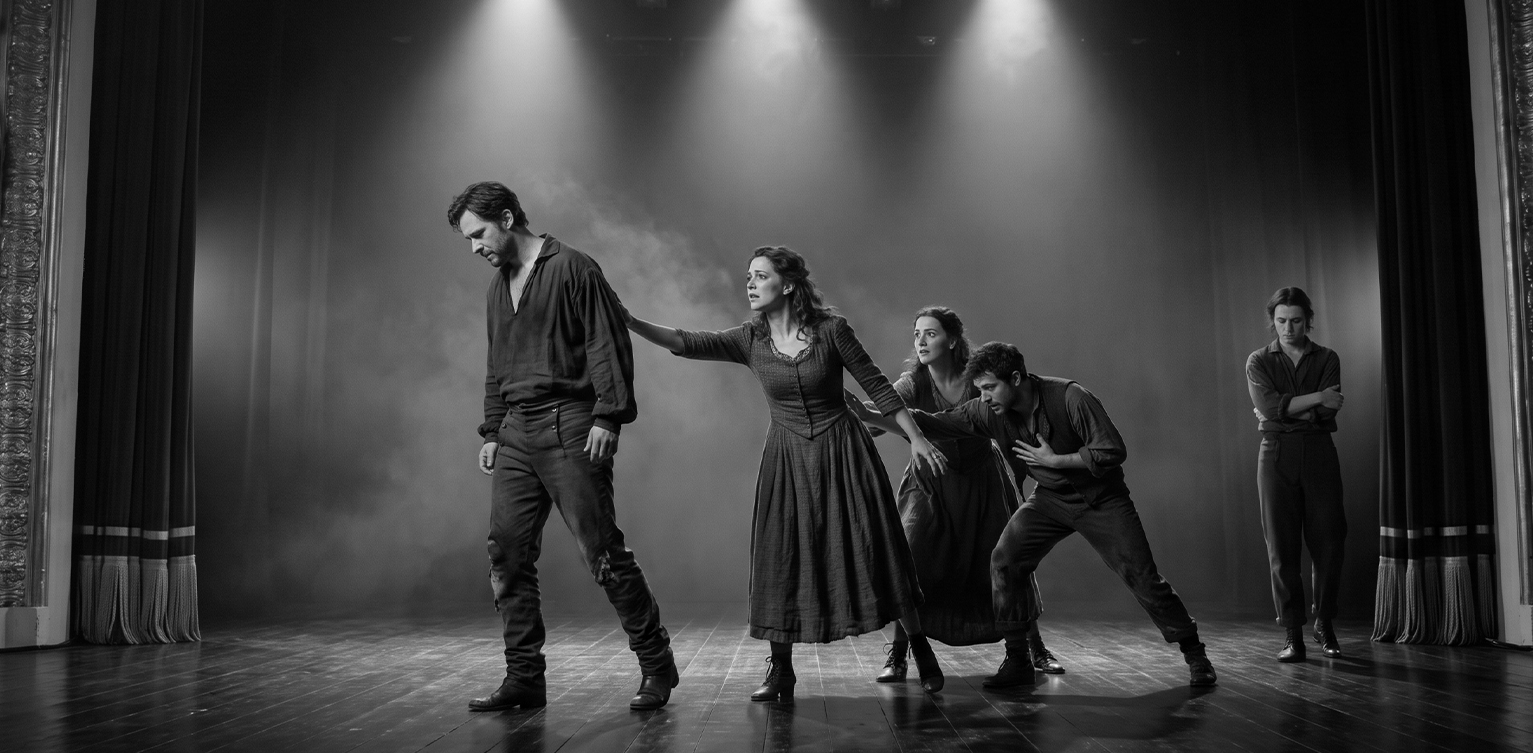
Runway choreography is the arrangement and planning of how models move through a show. From their entrance and pacing to turns, pauses, group formations, positioning, and final exit, it gives the collection a physical rhythm.
Instead of just walking, models follow a specific script to tell a story and highlight the designer’s clothing. The goal of runway performance goes beyond memorising steps. It aims to suit each movement to your clothing, atmosphere, and the creative direction of the show.
Key Elements of Runway Choreography
- Pacing and Timing: Matching Music, Movement, and Beats.
- Poses and Turns: strategic pauses, pivots, and poses.
- Flow and Formation: coordinating spacing across the runway.
- The Walk: matching gait with garment character.
Why Models Need Movement Direction?
A guided movement can turn any basic fashion show choreography into a clear narrative that highlights the designer’s vision. Proper model movement direction considers pacing, posture, gestures, transitions, and spatial awareness. It helps each physical choice work with the garment and show concept.
It also gives aspiring models like you a clearer understanding of how to respond to music, lighting, runway layout, and other performers. The result is movement that feels considered, instead of a series of disconnected poses.
Why Movement Direction Matters?
- Garment Enhancement: Specific steps can showcase garments beautifully.
- Visual Storytelling: Movement gives the audience somewhere meaningful to look.
- Coordination and Flow: Music keeps every model moving together.
- Confidence and Precision: Clear direction keeps your runway walk composed.
Runway Choreography vs. Posing: Creating Movement With Purpose
The two work together on a runway, but they serve different purposes. Runway catwalk choreography is the overarching blueprint of spatial movement, timing, and storytelling for a show. On the other hand, posing is the precise, intentional punctuation mark at the end of a walk designed to highlight a garment.
The Role of Runway Catwalk Choreography
- Creates Flow and Rhythm: Music sets the pace, but spacing keeps the models from bunching together. Entrances, exits, and transitions need to feel connected throughout the show.
- Tells a Designer’s Story: The opening look establishes the tone, while later entrances can gradually shift the energy. By the finale, your movement should feel like part of the collection’s visual narrative.
- Directs the Audience: A change in formation can pull audience attention toward a particular look or group. Pauses and transitions also determine where the audience naturally looks next.
The Role of Posing
- Highlights Garment Details: At a designated point, you need to stop long enough for the outfit to speak for itself. A turn can reveal structure, texture, or movement in the fabric.
- Delivers Visual Impact: One deliberate pause can say plenty without becoming theatrical. The model holds the moment, gives cameras a clear frame, and then moves on.
- Differs From Photoshoots: A runway pose has to read almost instantly from a distance. Photoshoots work differently, since photographers can adjust angles, direction, and poses from one frame to another.
How Movement Direction In Runway Choreography Strengthens a Model’s Walk?
Movement direction is the secret weapon that transforms a simple walk into a powerful, high-fashion runway performance. Walking forward is not the primary aspect here. What matters is how you control your body lines, manage their momentum, and command the space around you.
When a model is trained in movement direction correctly, it creates visual drama and captures the audience’s full attention. Here’s how movement direction helps in runway walk:
- Space Changes the Walk: A straight runway rewards direction and control. But angled or curved paths alter how garments catch attention. Thoughtful runway walk choreography considers those differences much before rehearsals begin.
- Alignment Gives Movement Shape: Your feet, shoulders, chin, and hips affect the silhouette as you walk. Small adjustments through coordinated movement design can stop a strong stride from looking rigid or overly rehearsed onstage.
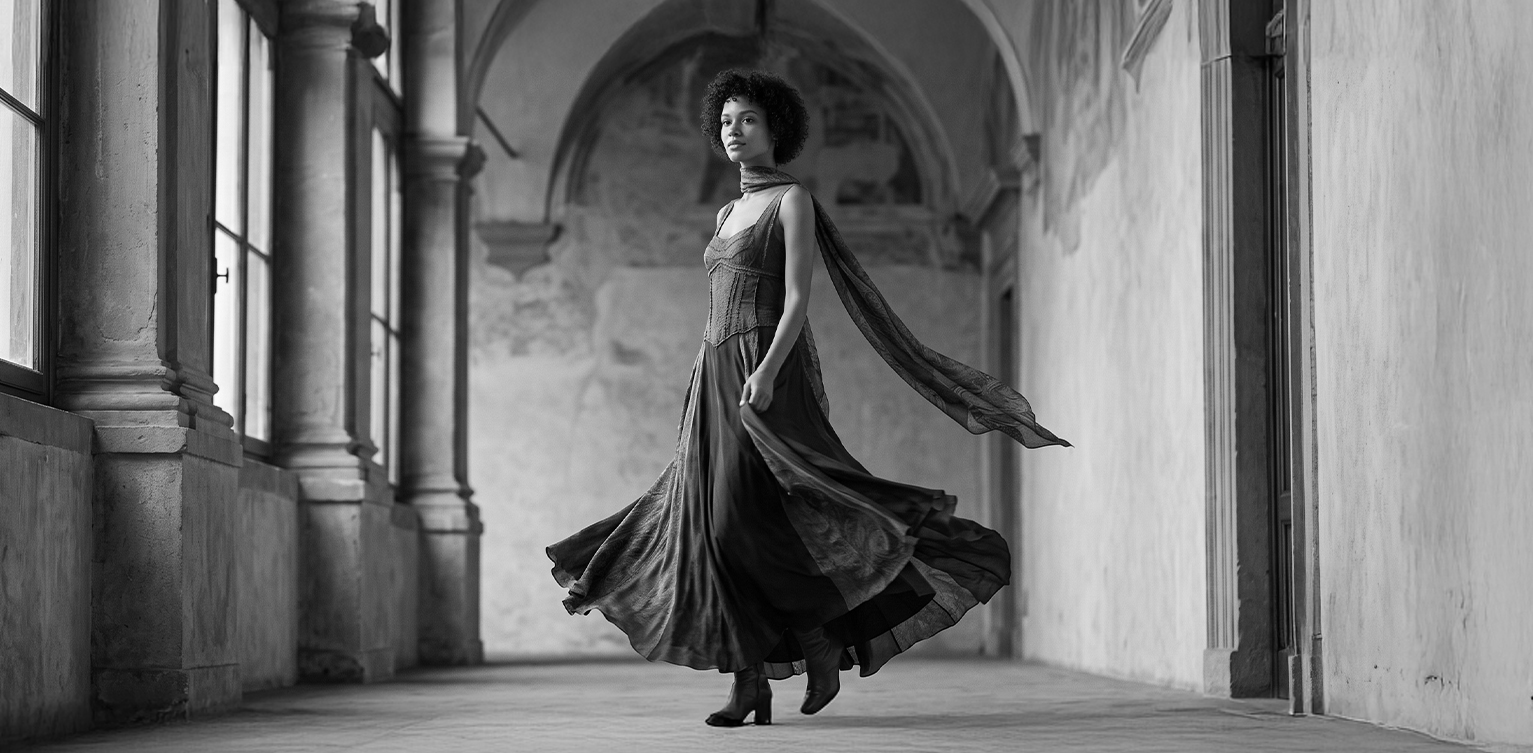
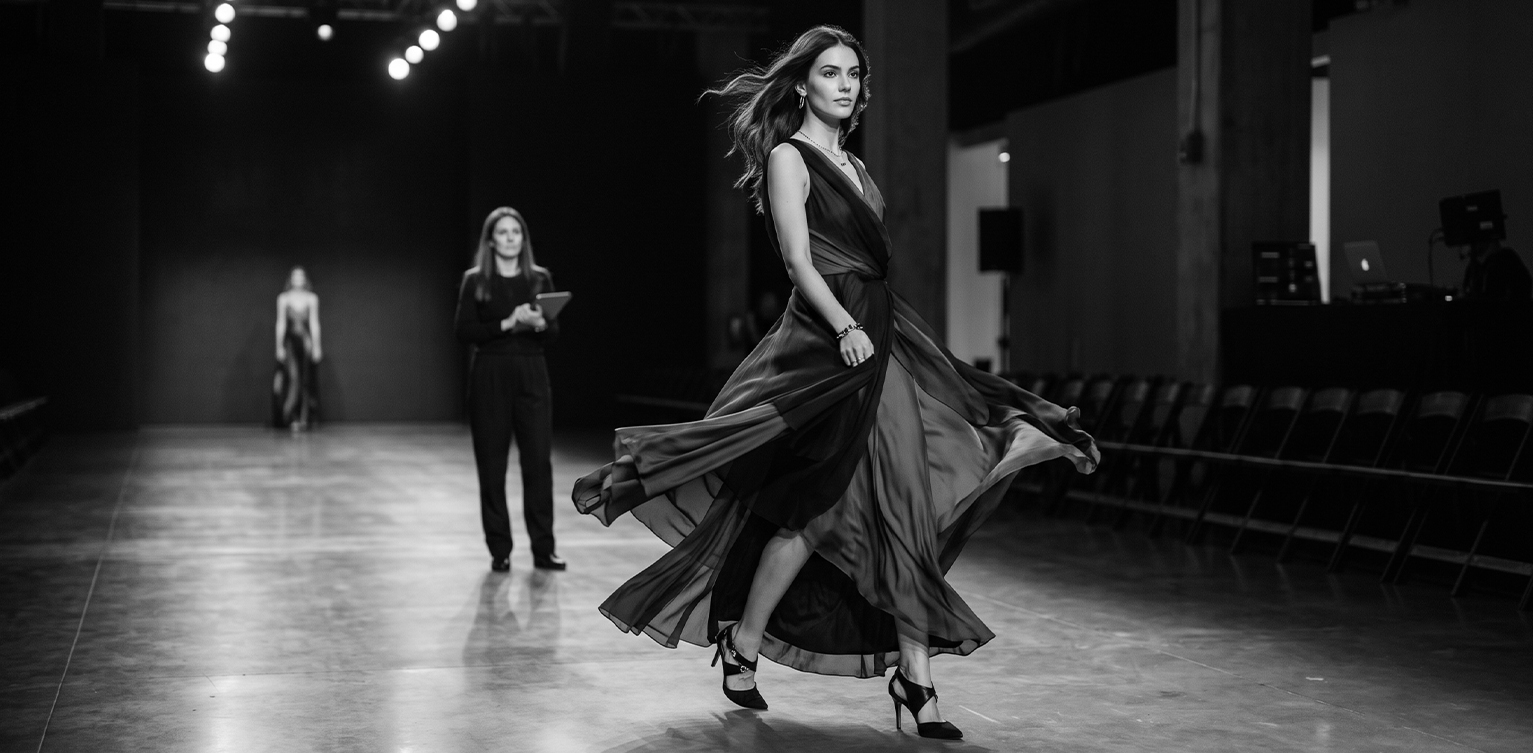
- Fabric Responds to Pace: A flowing dress needs different treatment from structured tailoring. With faster steps, you can create energy. Conversely, measured pacing lets fabric settle, swing, and reveal its construction naturally and clearly. Fashion show creative direction ensures each garment receives movement that complements its design.
- Presence Comes From Control: Eye line, pauses, turns, and the final walk away all matter. Clear movement-centred physical choices give you something specific to perform, rather than asking you to pose.
How Music, Rhythm, and Timing Shape Runway Choreography?
Music, rhythm, and timing are the invisible directors of a fashion runway. They determine walking speed, turns, pauses, and physical responses to the music. When you add movement direction, catwalk choreography becomes a powerful visual language:
- Music Sets the Pace: Music establishes the pace. However, as a model, you still need physical cues. Fashion show movement follows those beats without making every step look mechanically timed or identical throughout the runway presentation.
- Rhythm Changes the Energy: A slower track can stretch a walk. But sharper rhythms demand quicker transitions. Timing gives each entrance, pause, and turn its own character on the runway without feeling overly rehearsed.
- Pauses Have Their Place: Good direction leaves room for the music to breathe. Models can learn when to hold back, accelerate, and where a beat deserves a deliberate pause within the sequence.
- Timing Keeps Models Connected: A movement guidance based on timing also keeps several models from competing for the same moment. Their entrances, spacing, and exits can unfold together. Therefore, the collection as a whole feels considered from beginning to end and more cohesive.
The Role of a Fashion Choreographer in a Runway Show
A movement direction-led fashion choreographer can turn a standard runway walk into a more theatrical experience. The professional shapes pace, posture, energy, and emotional attitude while keeping the designer’s concept visible.
In Queensland and Brisbane’s fashion scene, this role can connect movement with the local creative direction of a show. These are the fundamental responsibilities of a fashion choreographer during a runway presentation:
- Translating Designer Vision: Your choreographer can translate the designer’s concept into movement. It helps to understand how your walk should carry its mood, texture, and character across the runway with intention.
- Guiding Model Energy: They also shape your energy, guiding weight, tension, and attitude. Therefore, each garment reads naturally as you move, turn, pause, and change direction during rehearsals and the final runway.
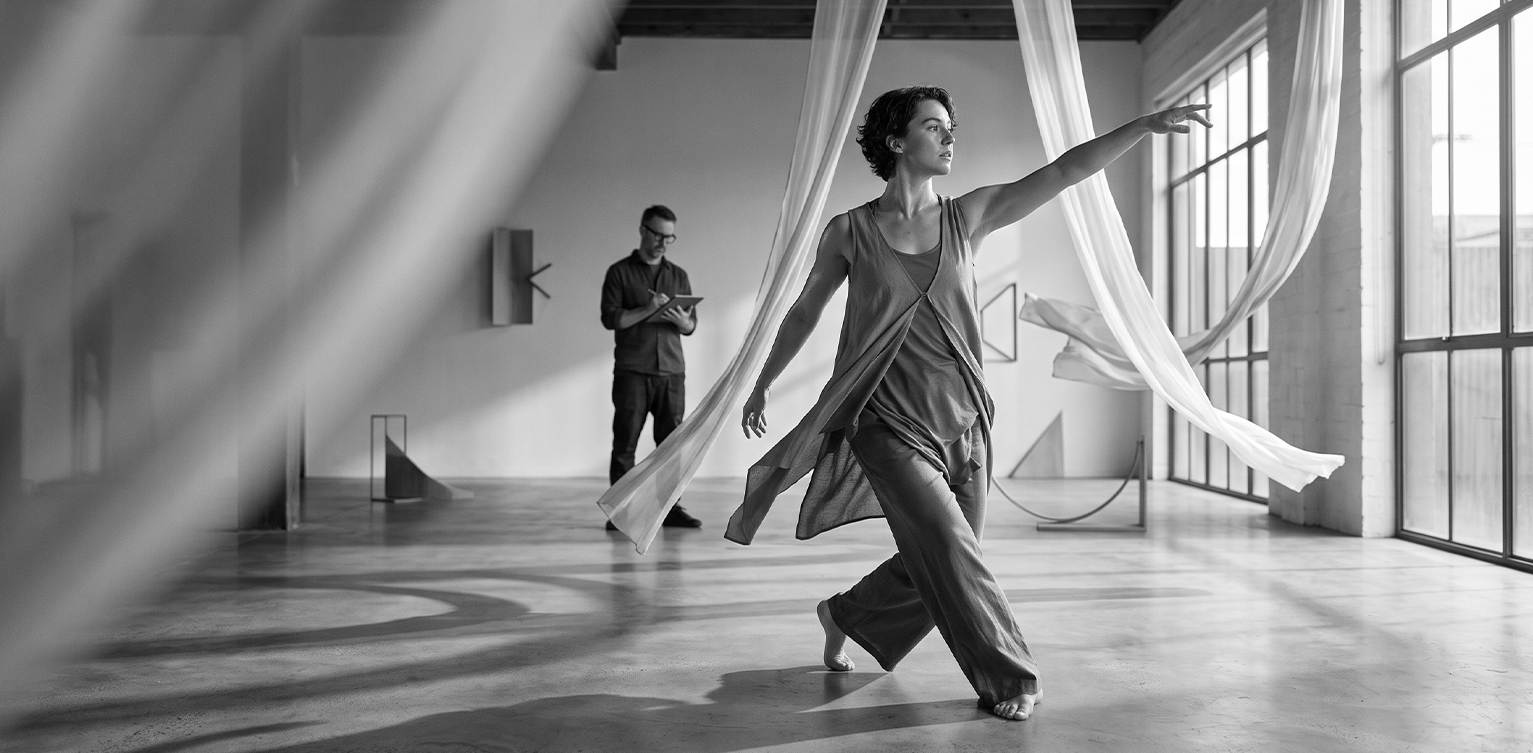
- Synchronising Production: During rehearsals, they connect your timing with music, lighting, spacing, and other models through clear cues. With proper guidance, you can respond without losing your individual presence throughout the entire show from the start.
- Balancing Group Dynamics: A fashion choreographer in Queensland can refine your pace within group sequences. Your movement stays distinct while fitting the show’s wider rhythm and formation during rehearsals with greater precision.
How Does a Fashion Movement Director Shape Model Performance?
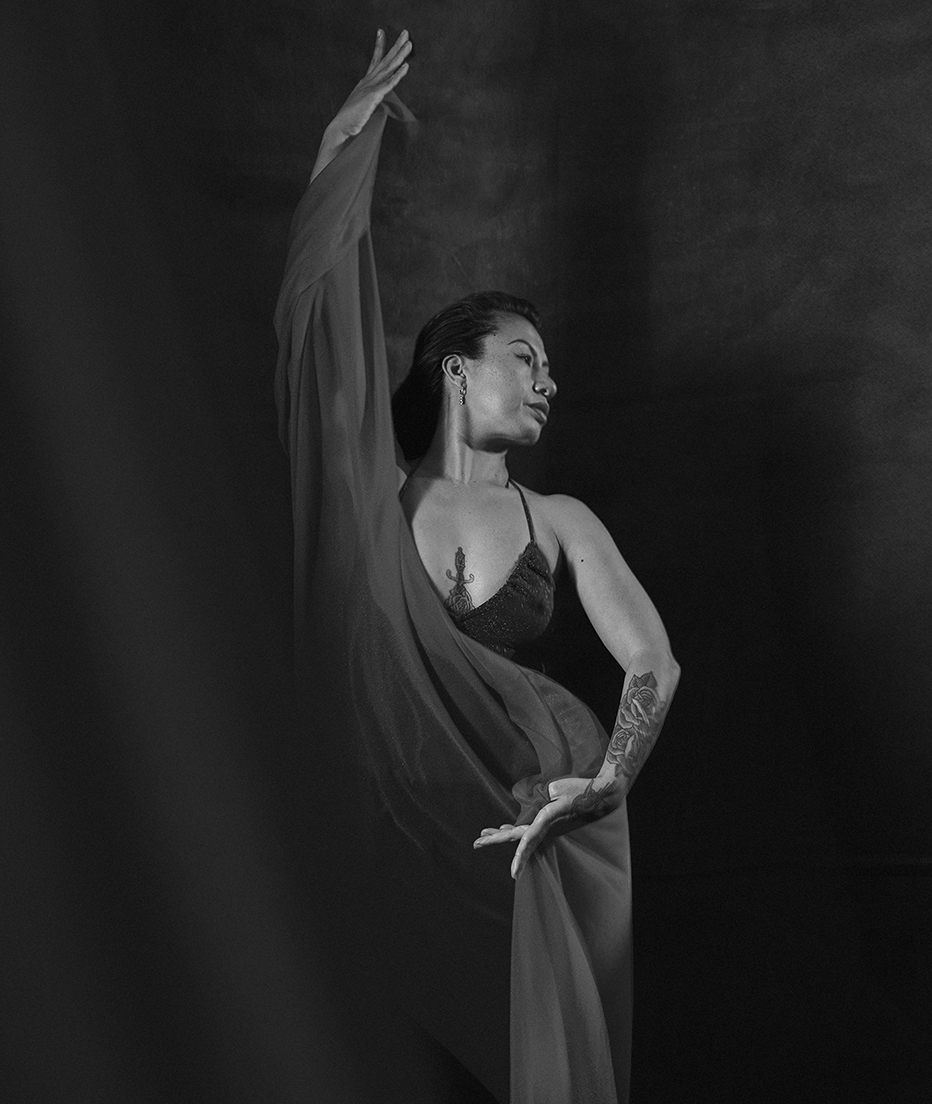
A fashion movement director turns abstract concepts into physical gestures that communicate emotion and character. They also guide how you interact with clothing, cameras, and the surrounding set.
This approach differs from rigid choreography that relies on predetermined steps and fixed sequences. Instead, you can explore movement that feels responsive, instinctive, and connected to your physical language.
- Building a Physical Language
A fashion creative director helps you explore gestures, posture, and rhythm that suit the concept rather than copying predetermined poses. This builds a movement vocabulary that feels recognisably yours.
- Refining Runway Walks and On-Set Flow
Your walk needs to work beyond the runway. A fashion campaign consultant guides your transitions, reactions, and spatial awareness when cameras and sets enter the process. You can adapt when instructions change.
- Responding to the Creative Environment
With purposeful fashion movement choreography, models learn to adjust rather than repeat. A choreographer can refine your response to fabric, music, camera angles, and the atmosphere surrounding each scene in practice.
From Fashion Shows to Campaigns: Choreography Beyond the Runway
Beyond Brisbane’s fashion runways, movement direction can shape how you approach campaigns and editorial shoots. Catwalk choreography does not end when the model leaves the catwalk. Its principles can influence fashion campaigns, editorial shoots, lookbooks, and branded visual stories.
As an aspiring model or fashion artist, you can use movement-led choreography to understand how your physical expression supports a campaign’s creative direction.
A choreographer may shape how you enter a frame, interact, respond, or hold a particular moment. These choices give movement a narrative purpose and connect your performance with the campaign’s visual identity.
This approach also changes how you interpret creative briefs. Instead of limiting choreography to fashion shows, use movement as a storytelling tool across campaigns, editorials, and lookbooks.
Connecting Runway Movement With Fashion Campaign Movement Direction
Movement-oriented choreography can carry a model’s performance beyond runway presentations into campaign work. Adapting a choreographed movement supports a campaign’s concept, setting, and visual language.
Fashion campaigns may emphasise movement to establish mood, reveal garment details, or maintain visual continuity across multiple frames. Your movements become part of the campaign’s visual storytelling. As a result, you can approach campaign shoots with greater awareness of how movement direction shapes the visual narrative.
Bring Your Runway Vision to Life With Intentional Movement!
Runway presence becomes more expressive when movement supports the garment and creative concept. As a Brisbane-based aspiring fashion Movement Director, I bring choreography, movement direction, and performance awareness together.
I help models approach the runway with greater intention, considering how posture, timing, transitions, and physical expression shape fashion storytelling. If you are an aspiring model or artist, these principles can strengthen your confidence and adaptability across runway shows, editorials, and campaigns.
Take your runway training beyond the walk. Explore my creative movement-direction approach to choreography and translate your physical expression into compelling fashion storytelling.
FAQs
1. What is Fashion Show Choreography?
Fashion show choreography plans how models move through a presentation, including entrances, exits, formations, transitions, and timing. It connects movement with music, garments, spatial arrangements, and the show’s overall creative direction.
2. Do Models Need Choreography Training?
You do not always need formal choreography training. However, understanding movement deeply can strengthen your runway performance. It helps you interpret direction, manage spatial awareness, respond to music, and develop more deliberate physical expression.
3. How Does Music Influence Catwalk Choreography?
Music establishes rhythm, atmosphere, and pacing throughout a fashion presentation. As a model, you can use musical cues to understand timing, transitions, pauses, and changes in energy. Guided movement choreography trains you not to let the soundtrack overpower your performance.
4. How Does Choreography Improve Runway Presence?
Movement-based choreography gives your runway performance structure and intention. You can understand where movement, pauses, turns, and spatial awareness contribute to stronger visual communication.
5. Do Fashion Shows Need a Choreographer or Movement Director?
A choreographer or movement director can shape how models navigate space and interpret the show’s creative concept. Their involvement becomes particularly useful when productions require coordinated movement, distinctive pacing, or complex formations.
6. Can Runway Choreography Be Used for Fashion Films and Campaigns?
Yes, runway choreography can inform movement for fashion films, campaigns, and editorials. I don’t simply reproduce runway walks. I often adapt movement principles around camera framing, creative concepts, garment behaviour, and visual storytelling.
7. Why Is Every Great Runway Show Choreographed?
Not every runway presentation requires elaborate catwalk choreography. However, thoughtful movement planning can create stronger transitions, coordinated entrances, spatial consistency, and purposeful movement. It particularly works when multiple models, music cues, or complex production elements shape the presentation.