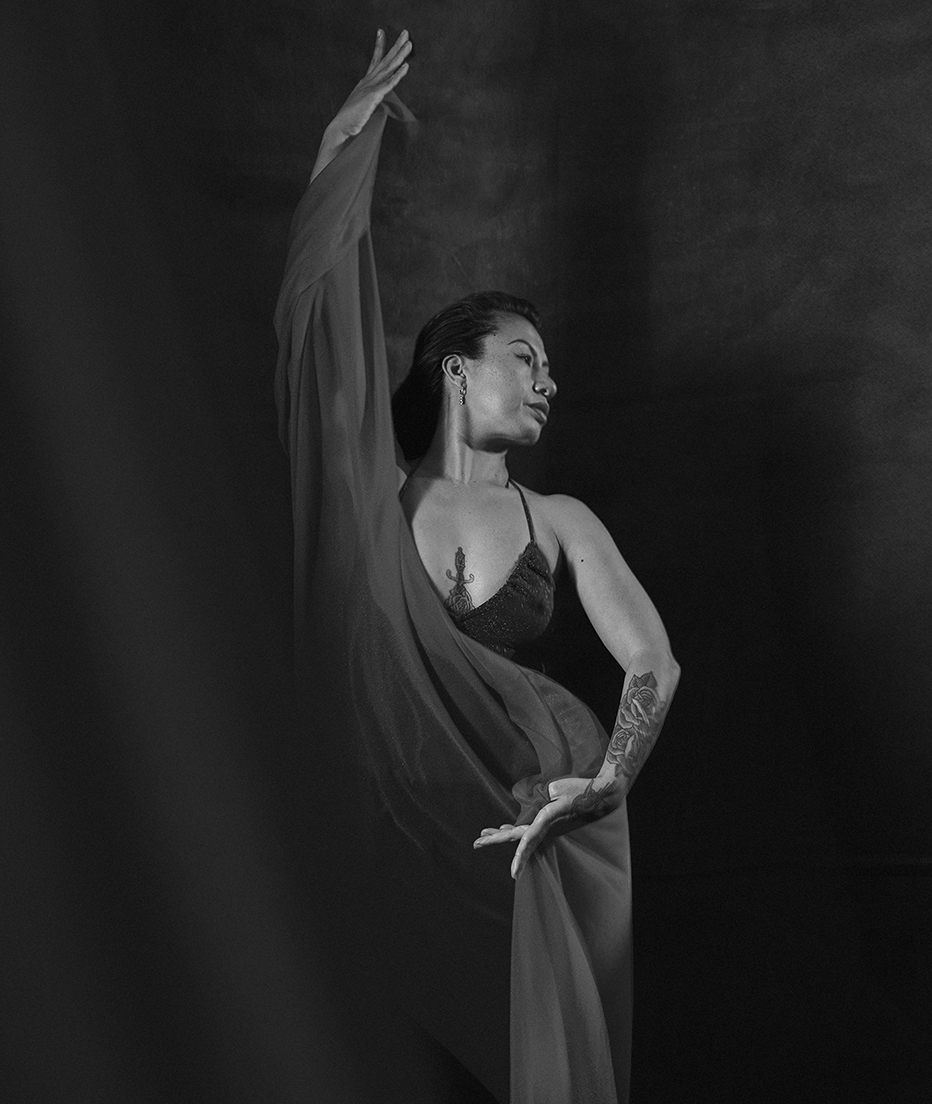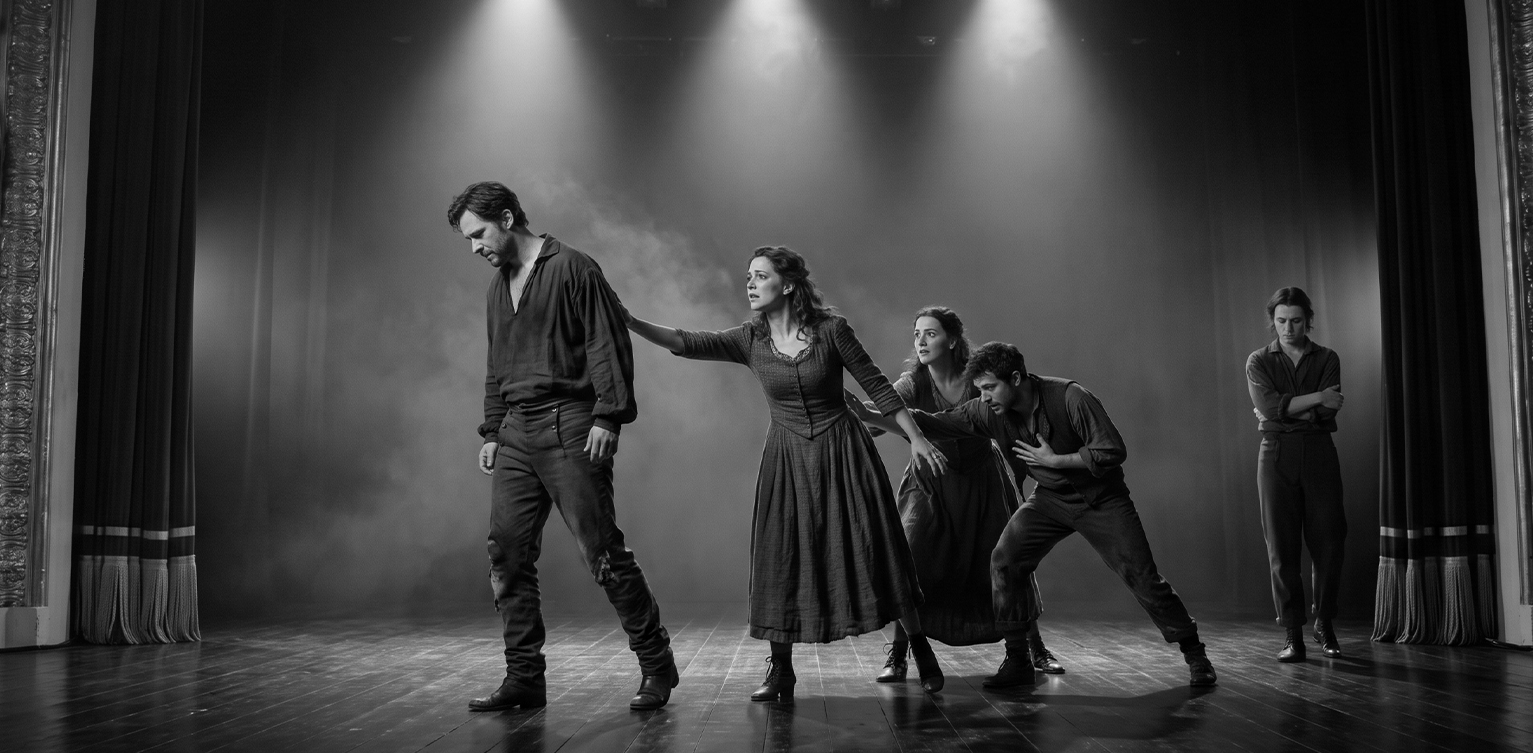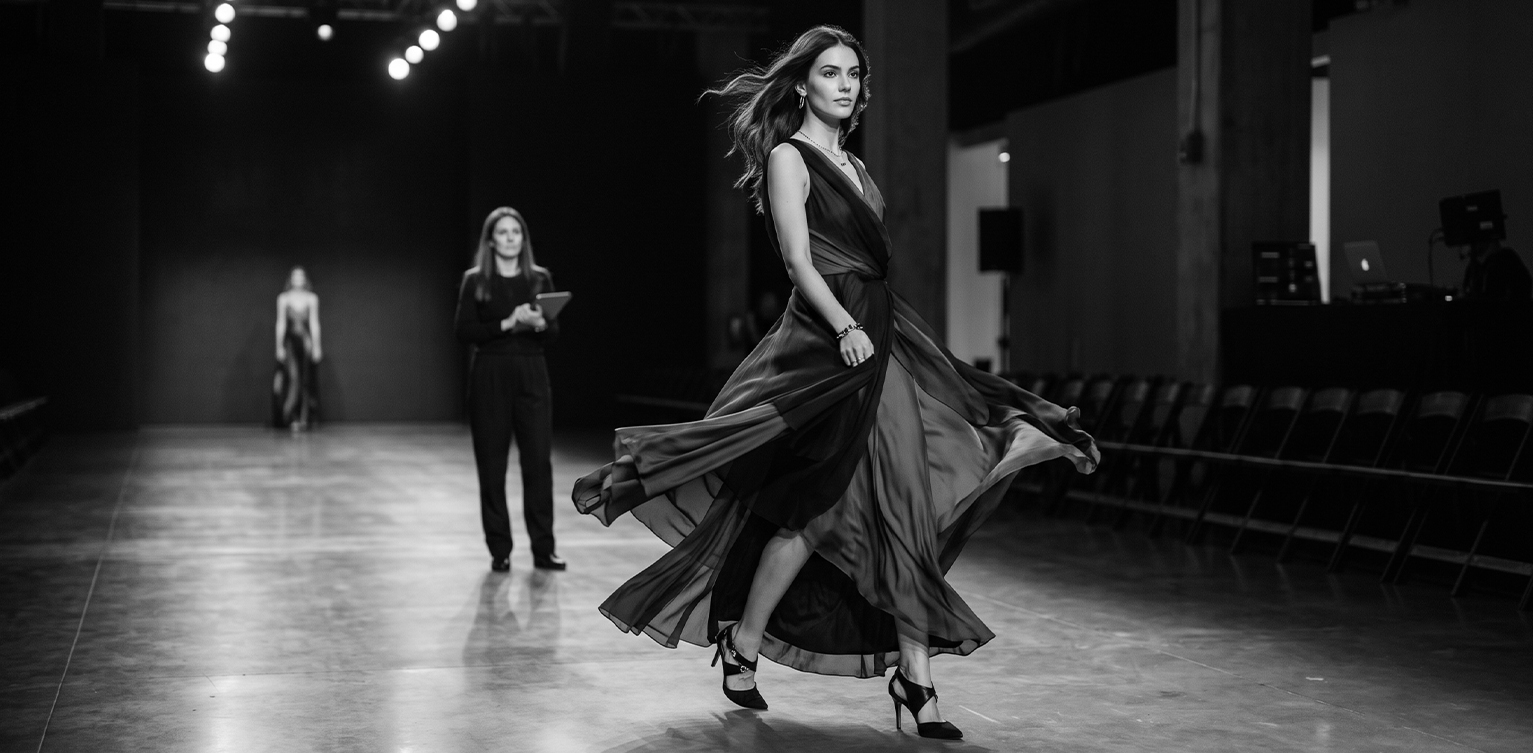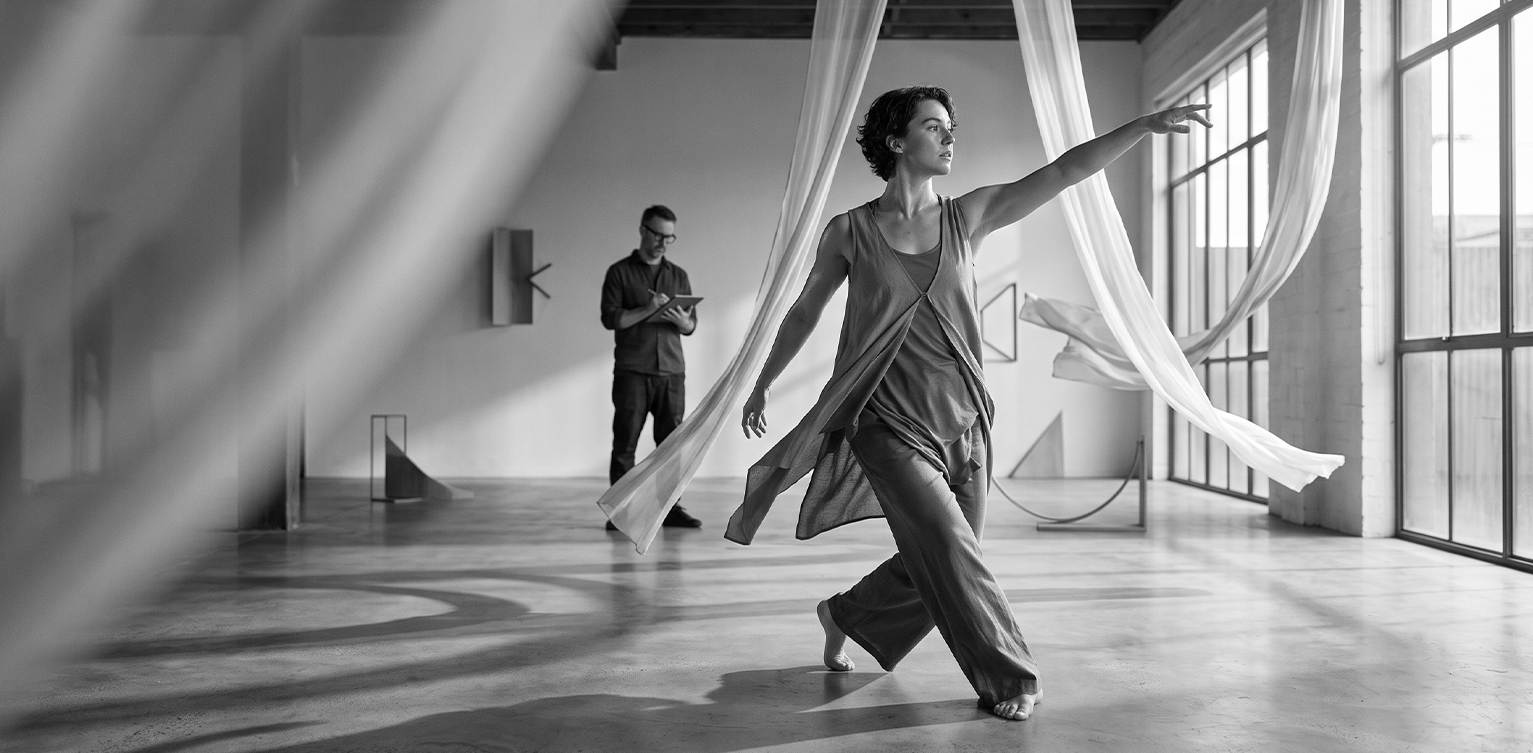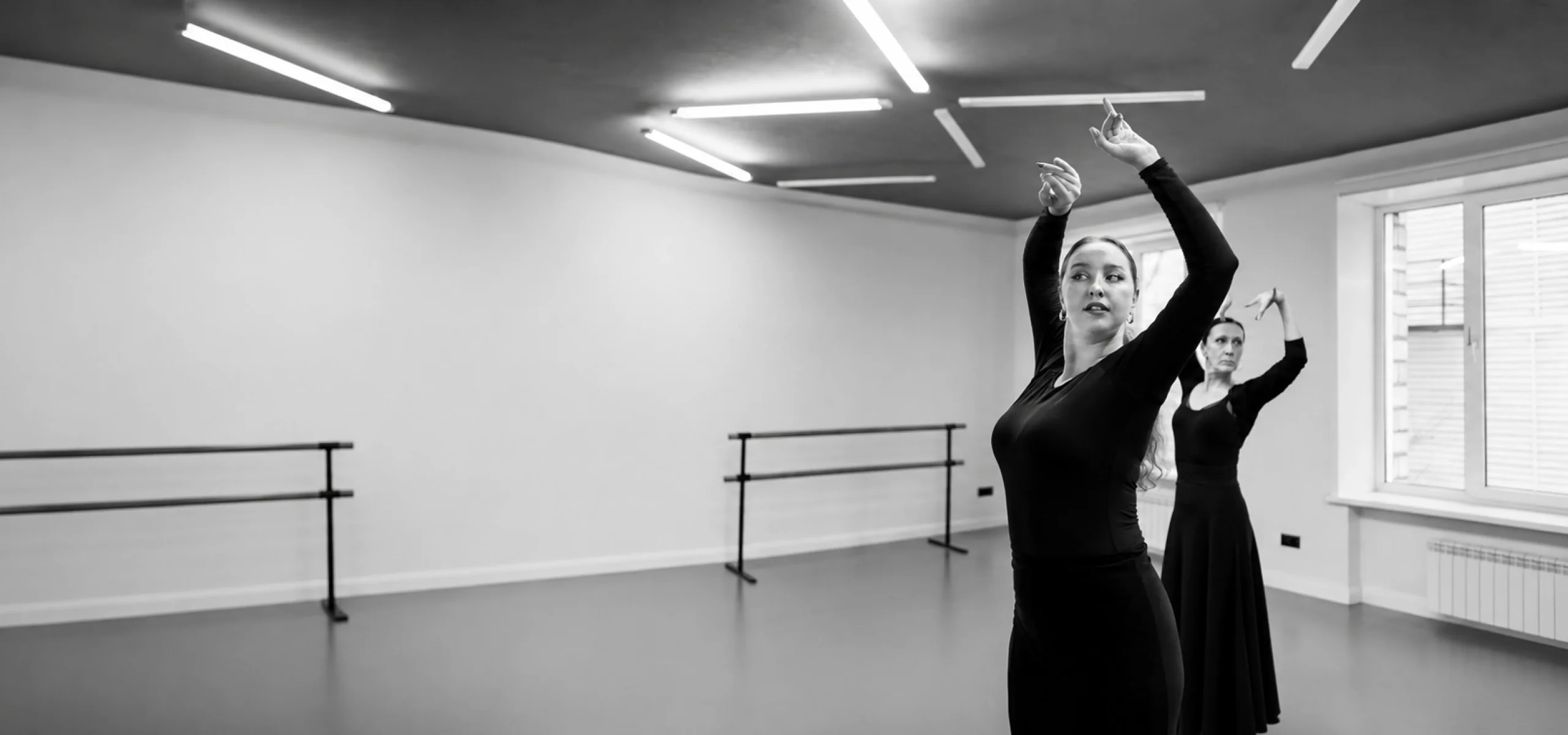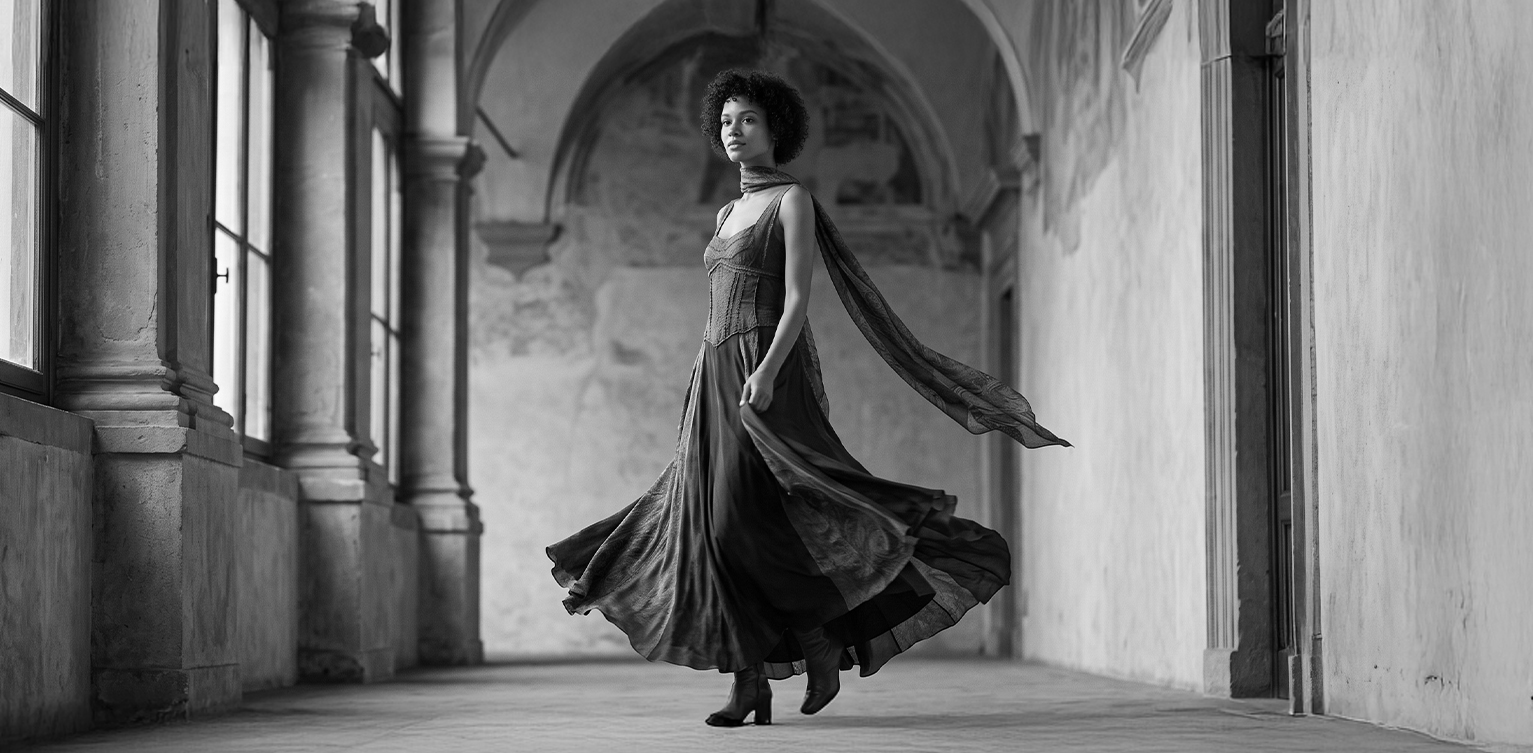
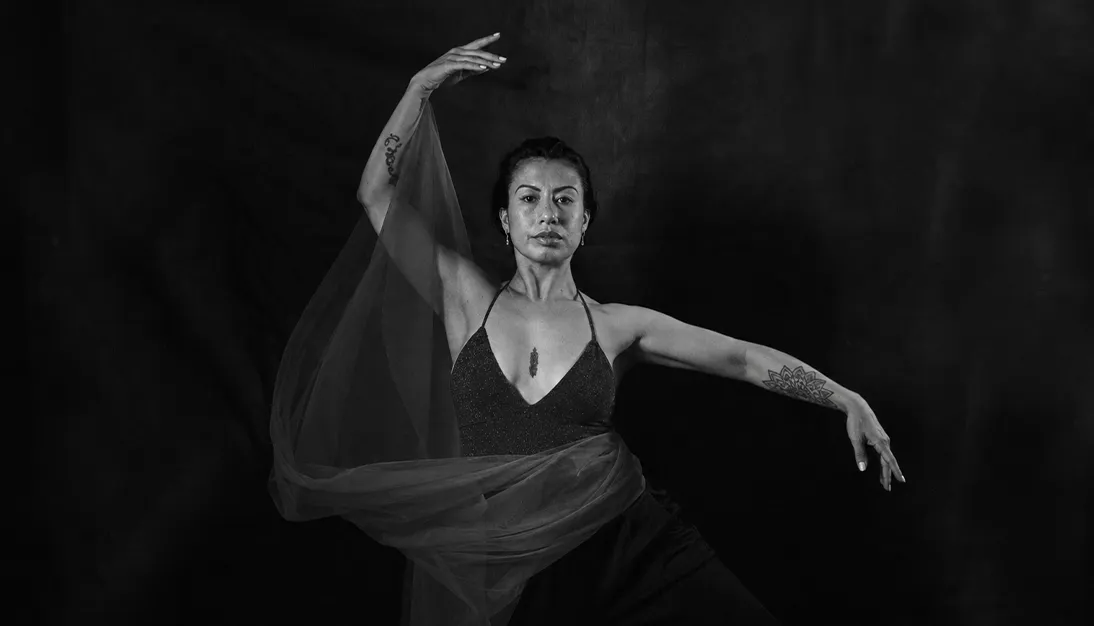
The appeal of a vintage designer garment often begins with its history, but it does not end there. A piece can carry the visual language of a particular designer, collection, era, cultural moment and, most importantly, movement.
Once worn, that history interacts with posture, pace, gesture, and the way fabric responds to movement. For aspiring models and fashion creatives, this creates a useful connection between fashion research and movement choreography.
Movement direction can reveal how a garment behaves through each step, turn, or pause. Understanding that relationship can shape styling, performance, and choreography, where clothing becomes part of the story rather than something simply worn.
This guide explores why vintage designer pieces remain desirable and how movement can bring the archival fashion stories to life.
What Does “Archival Fashion” Mean?
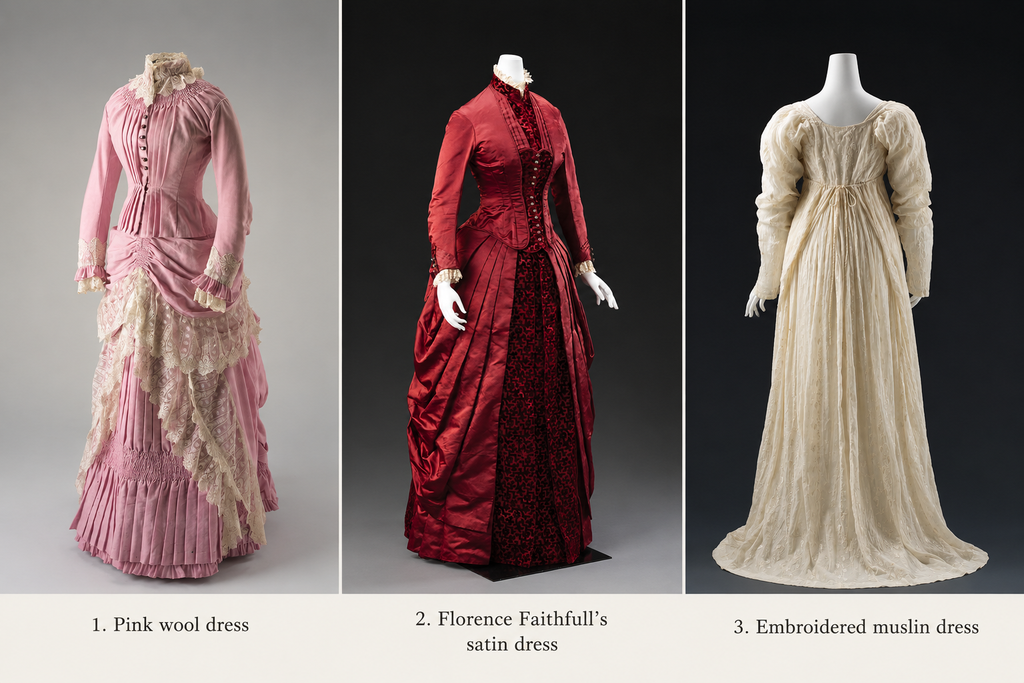
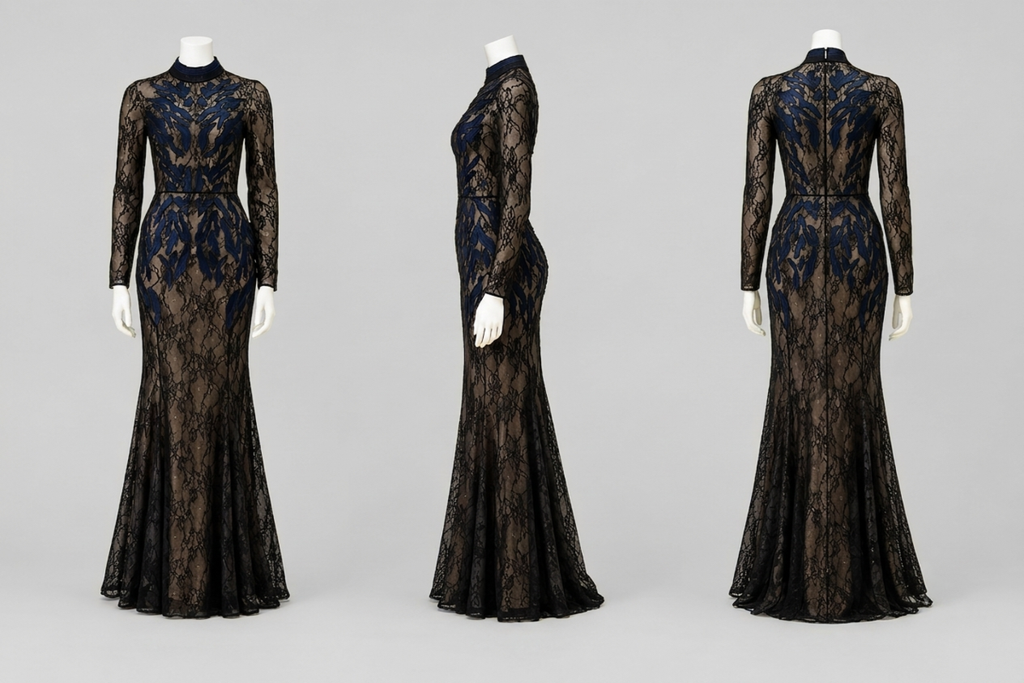
Archival fashion refers to significant garments preserved because they represent a designer, collection, era, or important moment in fashion history. These pieces often carry distinctive silhouettes, construction techniques, materials, or cultural references that remain relevant years later.
Unlike older clothing, archival garments hold creative or historical value. For models and fashion creatives, these pieces reveal how design, movement, and expression communicate a garment’s character.
Core Characteristics
- Historical Significance: Each piece can mark an iconic runway show, influential collection, or defining designer era.
- Limited Availability: Archival fashion pieces are often scarce, making specific designs particularly difficult for collectors to locate.
- Artistic Value: These garments showcase distinctive craftsmanship, construction, and creative decisions associated with influential designers.
- Investment Potential: Some pieces can appreciate financially over time, depending on rarity, provenance, condition, and continued cultural relevance.
Why Is Archival Fashion So Expensive?
Archival fashion commands premium prices due to historical significance, extreme scarcity, and exceptional craftsmanship.These garments represent pivotal moments in fashion history created by influential designers.
Key Pricing Drivers
- Extreme Scarcity: Most pieces were produced in limited quantities decades ago. Very few survive today in wearable or pristine condition, especially sought-after vintage designer clothing.
- Cultural Significance: Garments associated with iconic runways or famous figures can carry considerable cultural value. Collectors may view these rare pieces as significant additions within the designer resale market.
- Superior Craftsmanship: Vintage high fashion often features intricate hand-sewing and premium materials rarely seen today. This level of detail reflects techniques that can be difficult to reproduce.
- High Demand: Stylists, collectors, and fashion enthusiasts may compete for the same rare pieces. Limited supply combined with strong demand can push prices considerably higher.
How Can I Tell If A Vintage Designer Piece Is Authentic?
You can authenticate vintage designer pieces by checking brand tags, hardware quality, stitching, and construction details carefully. Authenticating archival garments also requires research into historical collections and production eras.
- Analyse the Labels: Examine typography, font spacing, and label placement. Small differences can sometimes reveal whether a tag matches its claimed period.
- Verify Era Layouts: Check whether the label design and layout correspond with the garment’s supposed production era.
- Check the Hardware: Inspect zippers, snaps, and metal buttons for weight, finish, and smooth movement.
- Evaluate the Stitching: Look closely at stitch lines, spacing, and interior finishing for signs of careful construction.
- Assess Fabric Quality: Consider the material’s weight, texture, and construction. Older luxury fabrics often have distinctive characteristics worth researching.
- Cross-Reference Collections: Compare the garment with runway photographs, lookbooks, or historical collection records during fashion archive hunting.
- Locate Hidden Codes: Search inside the garment for date codes, serial numbers, manufacturer stamps, or other identifying marks.
- Review the Provenance: Ask for receipts, provenance documents, or authentication certificates when they are available.
What’s The Difference Between Vintage And Archival Fashion?
Vintage and archival fashion can overlap, but they describe different qualities. Vintage fashion generally refers to older garments. However, archival pieces carry particular historical, cultural, or design significance.
If you are a model or fashion creative, that distinction matters because an archival garment can offer more than visual appeal. Its silhouette, fabric, construction, and movement can influence how you approach styling, performance, or choreography.
| Factor | Vintage Fashion | Archival Fashion |
| Meaning | Older clothing from a previous era | Garments preserved for their design or historical significance |
| Age | Usually associated with older garments | Age alone does not determine archival status |
| Significance | May have historical or stylistic interest | Usually connected to an important designer, collection, or fashion moment |
| Availability | Can range from common to difficult to find | Often limited and harder to source |
| Design Value | Depends on the garment and its context | Often valued for distinctive design, craftsmanship, or cultural relevance |
| Movement Potential | Depends on silhouette, fabric, and construction | Historical design details can influence how a garment moves and performs |
| Creative Use | Can inspire styling and contemporary looks | Can inform visual storytelling, movement direction, performance, and choreography |
Key Takeaway
Vintage describes a garment’s age, while archival describes its significance. For creative work, an archival garment can become more than a historical object. Its design and movement qualities can shape how you interpret and perform it.
Where Do Collectors Usually Find Rare Fashion Pieces?
Finding rare archival fashion takes patience, research, and a good understanding of where significant garments surface. Collectors often search beyond ordinary retail channels. They can follow leads through specialist sales, private collections, and carefully curated sources.
The best rare fashion finds can appear unexpectedly. Hence, knowing how to research provenance and recognise meaningful pieces matters as much as knowing where to look.
High-End Auction Houses
Major auction houses periodically feature curated fashion sales, where historically significant garments can attract collectors and specialists.
Specialised Consignment Platforms
Dedicated resale services can offer authenticated designer garments, particularly pieces with clear provenance and established collector interest.
Curated Vintage Boutiques
Specialist boutiques often select garments based on design history, condition, rarity, and relevance to particular fashion eras.
Estate Sales and Liquidations
Private estates can reveal forgotten designer garments that have remained stored for years, sometimes with original documentation.
Independent Seller Networks
Individual collectors and specialist sellers can hold pieces that rarely appear through conventional retail channels. Building trusted relationships can uncover unexpected leads.
Private Fashion Dealers
Specialist dealers may maintain carefully selected inventories for collectors, stylists, and creative professionals seeking rare or historically significant garments.
How Do I Care For Vintage Designer Clothing?
Before caring for vintage designer clothing, you must understand that vintage pieces respond differently to cleaning, moisture, and handling.
Before washing or altering anything, check the garment’s material, construction, labels, and existing condition. Gentle handling is the key, especially when delicate stitching, embellishments, or aged fibres are involved.
Key Care Practices
- Read the Care Details: Check original labels and research the garment’s fabric before choosing any cleaning method.
- Avoid Unnecessary Washing: Frequent cleaning can place stress on delicate fibres. Air the garment when appropriate and clean it only when necessary.
- Store It Carefully: Keep pieces away from direct sunlight, excess moisture, and cramped storage. Use suitable padded hangers or acid-free tissue where appropriate.
- Handle With Clean Hands: Oils and residue from your hands can transfer onto delicate fabrics during handling, styling, or photography. Wash your hands thoroughly before handling them.
- Watch for Existing Damage: Inspect seams, fastenings, hems, and fabric before wearing the piece. It’s essential to address these concerns as quickly as possible before they worsen.
- Seek Specialist Conservation: Delicate, historically significant, or damaged garments may require advice from a professional textile conservator rather than routine alterations.
How Can Vintage Fashion Inspire Creative Movement Storytelling?
Vintage fashion can become a powerful starting point for movement storytelling. This is because these garments carry traces of their original era. When you study an older piece, its silhouette, fabric, construction, and details can suggest a particular mood or moment.
When it comes to models, performers, and fashion creatives, those qualities can shape how a scene unfolds physically. A flowing dress may invite slower gestures. Again structured tailoring can suggest sharper, more deliberate movement. Even vintage runway pieces can spark stories that connect fashion history with contemporary performance.
Creative consultation can help translate a garment’s history, visual language, and movement qualities into a clear concept for fashion narrative.
Here is how vintage fashion can inspire creative movement storytelling:
- Fueling Movement Concepts: Fabric and structure can guide physical choices during runway fashion choreography. A flowing textile might encourage sweeping gestures, while a fitted silhouette could inspire contained, precise movement.
- Evoking Historical Moments: A garment can suggest its era through silhouette, fabric, styling, and movement. You can build a scene around those details without recreating the past literally.
- Expressing Personal Identity: An older garment can become part of a character’s visual identity. Your posture, gestures, and pace can then reveal something about that character without relying on dialogue.
- Preserving Craftsmanship Through Movement: Intricate details deserve attention beyond a static frame. Movement can reveal seams, textures, embellishments, and construction as the garment shifts with the body.
- Building a Specific Moment: The strongest fashion stories often begin with one visual detail. A gesture, pause, turn, or interaction with the garment can transform that detail into a memorable scene.
How Can Fashion Communicate A Story Without Words?
Every garment acts as a visual storyteller, communicating before its wearer ever says a word. Its construction, textile, silhouette, and proportions establish an initial impression. Movement adds another layer, revealing how the garment responds to the body through each step, gesture, turn, and pause.
A flowing fabric can create softness in motion, while structured tailoring may produce sharper physical lines. Through thoughtful movement direction, the garment becomes part of the performance, allowing its character and story to unfold without dialogue.
Ways Fashion Communicates A Story Through Movement
- Silhouette Creates an Immediate Impression: Shape, proportion, and structure influence how a garment reads before movement begins. Your posture can then reinforce those visual qualities or deliberately challenge them.
- Movement Reveals the Garment’s Character: Walking, turning, stretching, and pausing show how fabric and construction behave on the body. Those physical changes can introduce emotion, tension, softness, or energy into the story.
- Physical Choices Guide Audience Attention: A deliberate gesture or change of pace can draw attention toward a sleeve, hemline, texture, or structural detail. Movement turns clothing into an active part of the visual narrative.
How Does Movement Change The Way A Garment Is Experienced?
Movement changes a garment from a static visual object into something audiences can experience through rhythm, shape, and physical response. The way fabric swings, folds, stretches, or settles can reveal details that remain unnoticed in still images.
- Movement Reveals Fabric Behaviour: Walking, turning, or extending an arm shows how fabric responds to the body. Weight, drape, texture, and structure become visible through physical motion.
- The Body Changes the Silhouette: A garment can look completely different when you shift posture or change direction. Movement reveals how its shape interacts with the body rather than simply displaying its construction.
- Choreography Creates a Different Experience: Intentional pauses, turns, and gestures can direct attention toward specific garment details. The audience experiences the clothing as part of an unfolding performance rather than a static piece.
Can Archival Fashion Influence Performance And Choreography?
Yes. Archival garments can influence performance by introducing historical references, physical constraints, and character cues into choreography. Their construction can affect how a performer occupies space, while their era can suggest a particular attitude or performance quality.
- The Garment Can Shape Character: A sharply structured jacket, sculptural dress, or dramatic coat can suggest how a character carries themselves. Choreography can build from those visual cues instead of imposing movement first.
- Historical References Can Guide Performance: A garment connected to a particular era may bring cultural references into the scene. Performers can explore those references through gesture, rhythm, posture, and interaction.
- Movement Can Reinterpret the Original Design: Choreography does not need to recreate a garment’s original presentation. Working with collectible fashion items can reveal unexpected qualities when contemporary performers introduce new rhythms, spatial patterns, and physical interpretations.
Bringing Archival Fashion to Life With Kat Wasiel
For me, archival fashion is where history, design, and movement meet in unexpected ways. I’m naturally drawn to garments that carry distinctive silhouettes, textures, and stories. I also explore how they respond to the body.
Through guided movement direction and fashion choreography in Brisbane, I look beyond how a piece appears and consider how it can feel, shift, and communicate in motion. If you are curious about bringing fashion history into contemporary creative work, step into my movement-led world.
Explore my approach, and let garment lead you somewhere unexpected.
FAQs
What does “archival fashion” mean?
“Archival fashion” refers to garments preserved for their historical, cultural, or design significance. A piece may represent an influential designer, collection, era, or creative movement, giving it importance beyond age, condition, or ordinary secondhand appeal today and tomorrow.
Why is archival fashion so expensive?
Archival fashion can command higher prices because rarity, provenance, craftsmanship, designer significance, and cultural relevance increase collector interest. Limited production and surviving condition also matter, particularly when a garment represents an influential collection or significant moment for collectors.
How can I tell if a vintage designer piece is authentic?
Start by examining labels, stitching, hardware, fabric, construction, and production details. Compare these features with documented examples from the designer’s collections. Provenance, receipts, catalogues, and professional authentication can provide additional evidence when questions remain unanswered or uncertain.
What’s the difference between vintage and archival fashion?
Vintage describes older clothing from a previous era, while archival describes garments preserved for particular historical, cultural, or design significance. A garment can be vintage without being archival, because age alone does not establish historical importance.
Where do collectors usually find rare fashion pieces?
Collectors search specialist auctions, curated vintage boutiques, private dealers, estate sales, specialist consignment services, and independent seller networks. Research, trusted relationships, and patience matter because particularly unusual garments may surface unexpectedly rather than through ordinary retail channels alone.
How do I care for vintage designer clothing?
Handle older garments carefully and avoid unnecessary washing, harsh detergents, prolonged sunlight, and unsuitable storage. Use breathable covers, appropriate supports, and professional conservation when needed. Always consider the fabric, construction, condition, and original care requirements carefully during storage.
How can vintage fashion inspire creative storytelling?
Vintage garments can suggest characters, settings, eras, and moods through silhouette, fabric, colour, and construction. When paired with movement, these qualities become physical storytelling tools, shaping gestures, pacing, posture, and interactions within a scene naturally and effectively today.
How can fashion communicate a story without words?
Fashion communicates through silhouette, proportion, texture, colour, construction, and movement. A garment can establish character before dialogue begins, while gestures, pauses, turns, and physical interactions reveal additional meaning through the way clothing responds to the body visually and clearly.
How does movement change the way a garment is experienced?
Movement reveals qualities that still images cannot fully capture. Walking, turning, stretching, and pausing show how fabric falls, folds, swings, or holds its shape, changing the audience’s understanding of texture, structure, weight, and character significantly, too often.
Can archival fashion influence performance and choreography?
Archival fashion can influence performance by suggesting character, historical references, physical restrictions, and visual motifs. Choreographers can respond to garment structure, fabric behaviour, and cultural context, developing movement that interprets the piece without simply recreating its original presentation.
What makes a garment archival rather than simply vintage?
What makes a garment archival rather than simply vintage? Historical significance, designer relevance, collection importance, provenance, and cultural context can distinguish an archival garment. Age provides context, but significance usually determines whether collectors consider it historically important today.
Is archival fashion always valuable financially?
Is archival fashion always valuable financially? Not necessarily. Prices depend on designer recognition, rarity, condition, provenance, demand, collection significance, and market interest. Historical importance can increase desirability, but no garment automatically guarantees financial appreciation over time alone.
How should I research a designer’s past collections?
How should I research a designer’s past collections? Start with runway photographs, collection archives, fashion publications, catalogues, museum resources, and reputable specialist references. Comparing construction, labels, silhouettes, and documented collection details can help establish historical context consistently.
Can archival garments be worn for contemporary performances?
Yes, when their condition and construction allow it. Performers should consider fragility, movement demands, fastening systems, fabric stress, and conservation needs before incorporating historically significant garments into choreography or performance.
How can archival fashion support contemporary creative direction?
Historical garments can introduce visual references, character cues, silhouettes, and textures. Creative teams can reinterpret those qualities through styling, movement, photography, performance, and choreography without simply reproducing the original context.