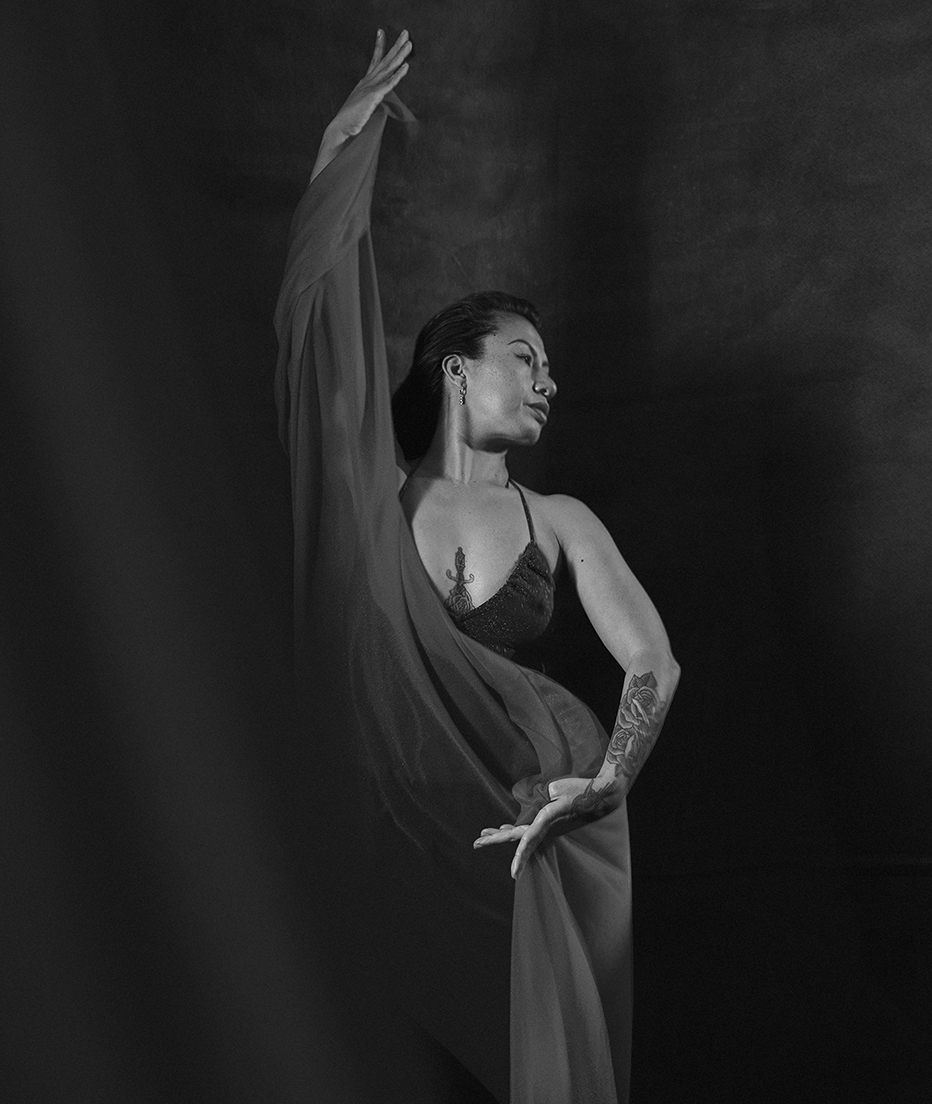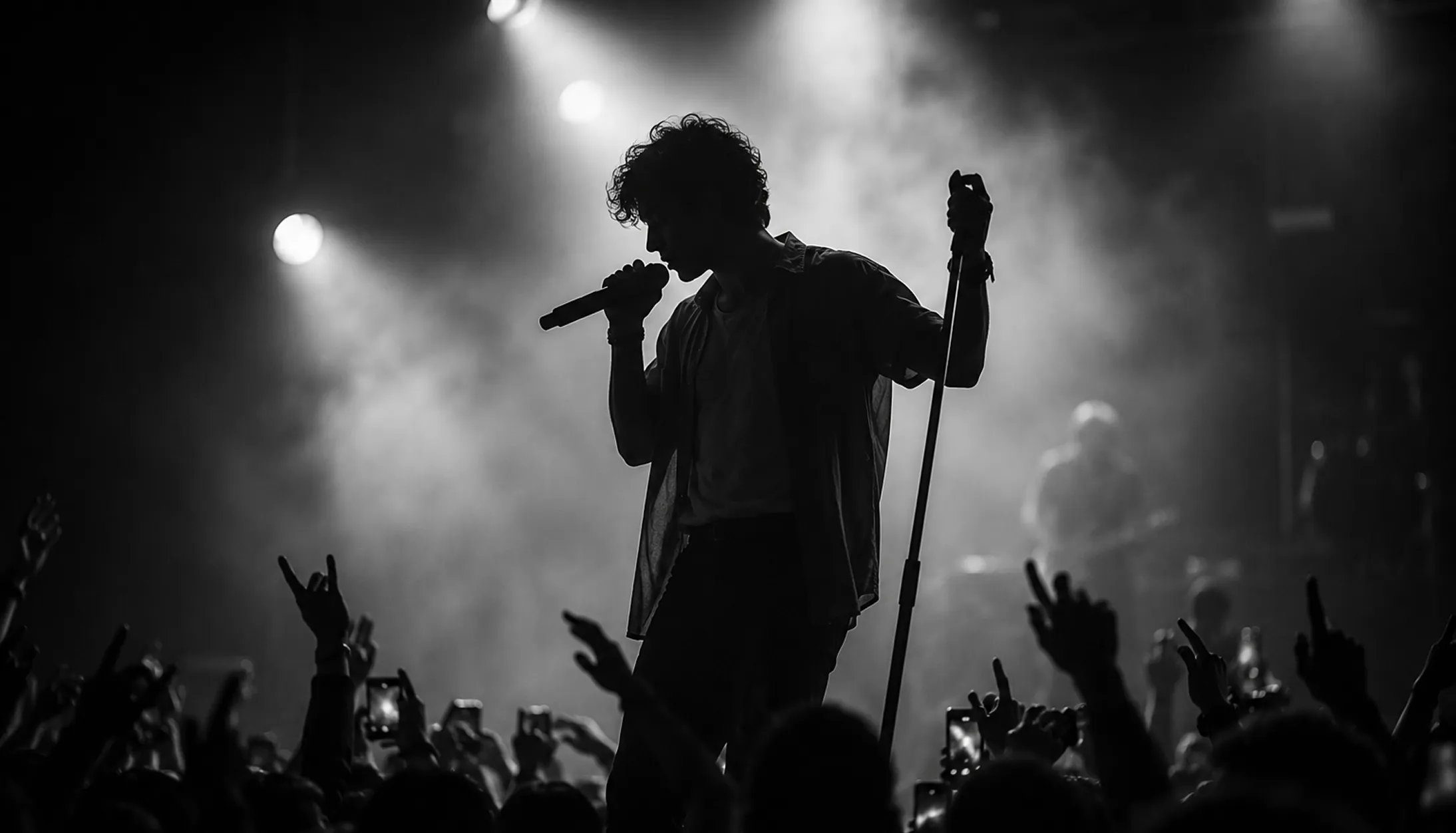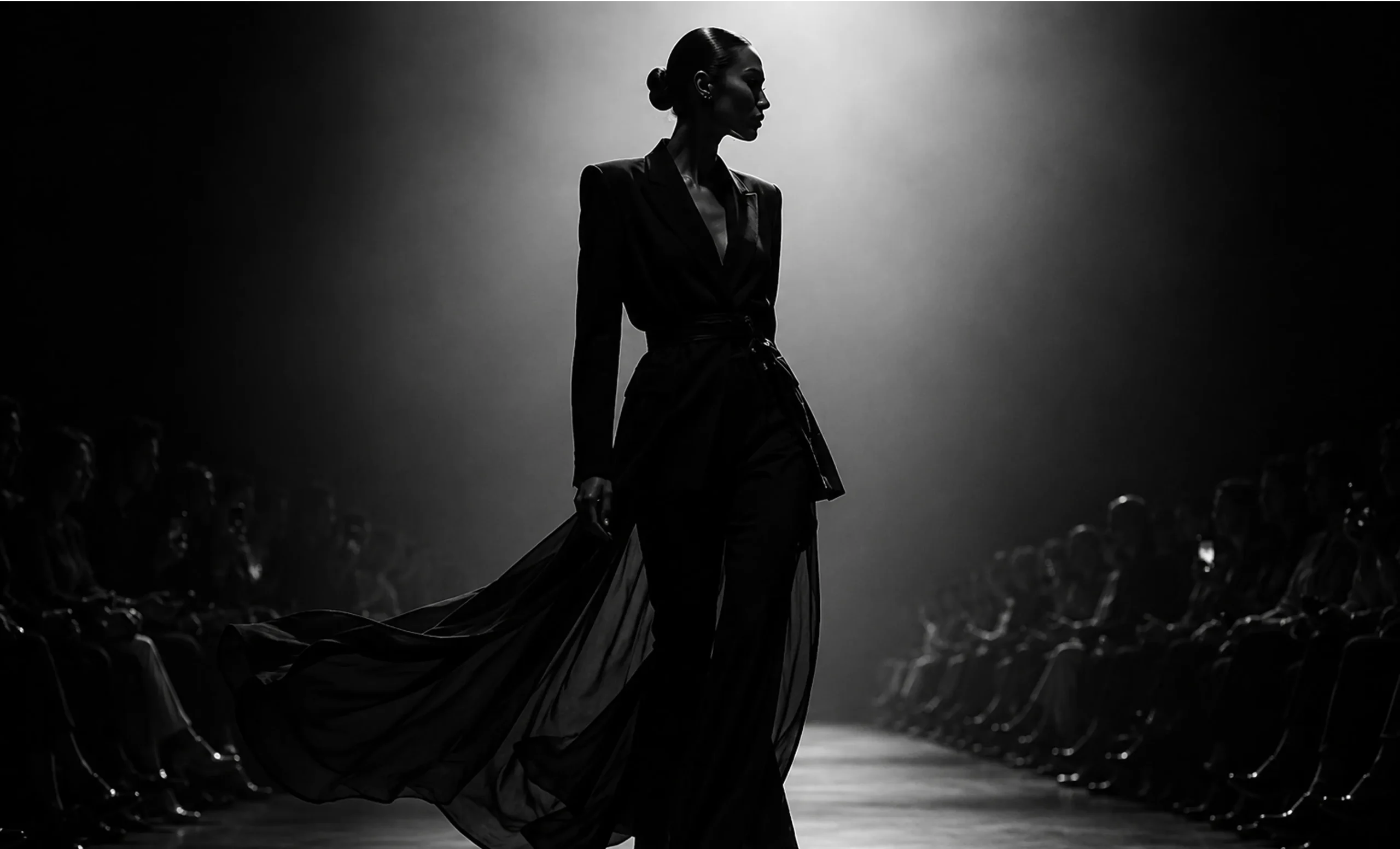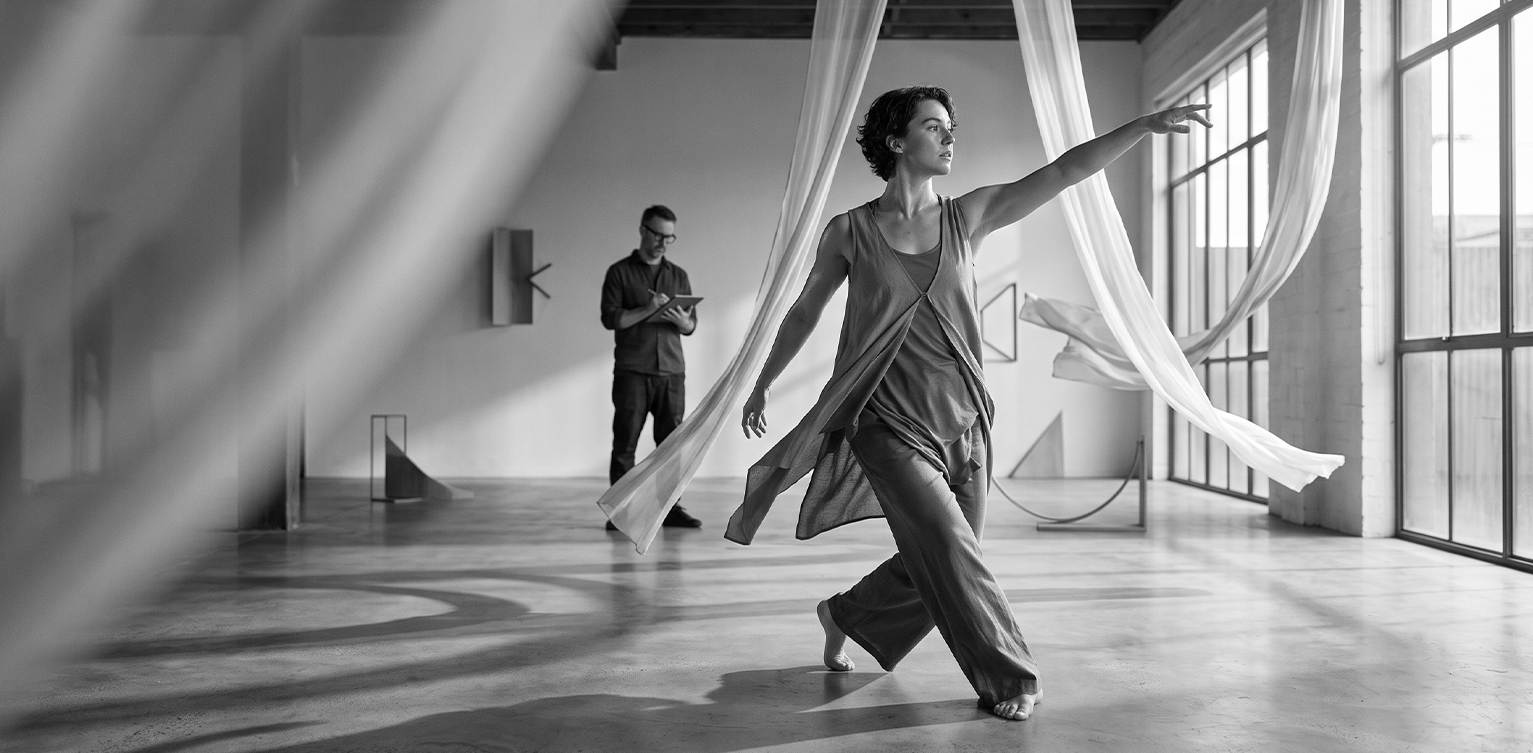
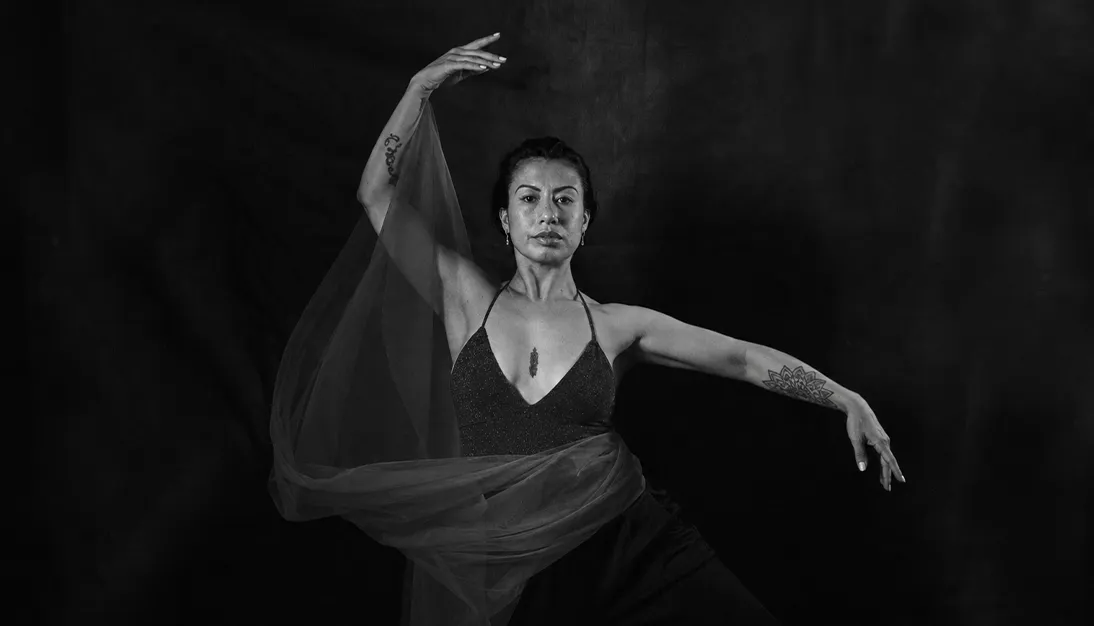
Movement can communicate meaning before a performer speaks, sings, or delivers a line. But what happens when a strong creative idea does not translate into confident, purposeful movement? The intended story can lose its impact. Creative movement direction shapes that physical language around a story, character, emotion, rhythm, or visual concept. It gives movement a clear purpose within the wider creative work.
Creative movement directors consider how someone walks, responds to music, uses space, carries emotion, or interacts with other performers and objects. These choices can influence how an audience understands the person, scene, garment, or story. It can support dancers, actors, singers, models, filmmakers, photographers, and creative teams across different formats.
Brisbane is a thriving creative city where dance, performance, music, fashion, and visual storytelling intersect. For professionals and performers, creative movement direction in Brisbane can bring these disciplines together through one shared physical language.
In this guide, discover what movement direction involves, how it differs from choreography, who can benefit, and how it can strengthen creative productions. From performance to fashion and film, discover where movement direction fits and what it can add to creative work.
What Is Creative Movement Direction?
Creative movement direction is the art of guiding how people move in performances, videos, and fashion shows.
It guides how performers move, respond to music, use space, and interact with objects. Rather than focusing only on rehearsed dance sequences, it develops purposeful physical behaviour suited to creative concepts.
This approach supports movement direction for artists across dance, performance, fashion, film, and photography. A movement director can collaborate with teams to make performances feel natural, cohesive, expressive, and connected to the audience experience.
What Does a Movement Director Do?
A creative movement director shapes the physical language, posture, gesture, and spatial dynamics of performers in theatre, film, and fashion shows. In Brisbane’s creative scene, these professionals help performers translate concepts into physical expression for stage, screen, and campaigns.
- Character Embodiment: A movement director helps performers discover how their characters walk, sit, gesture, and carry themselves. These physical choices can reflect background, status, emotion, relationships, and period-specific requirements.
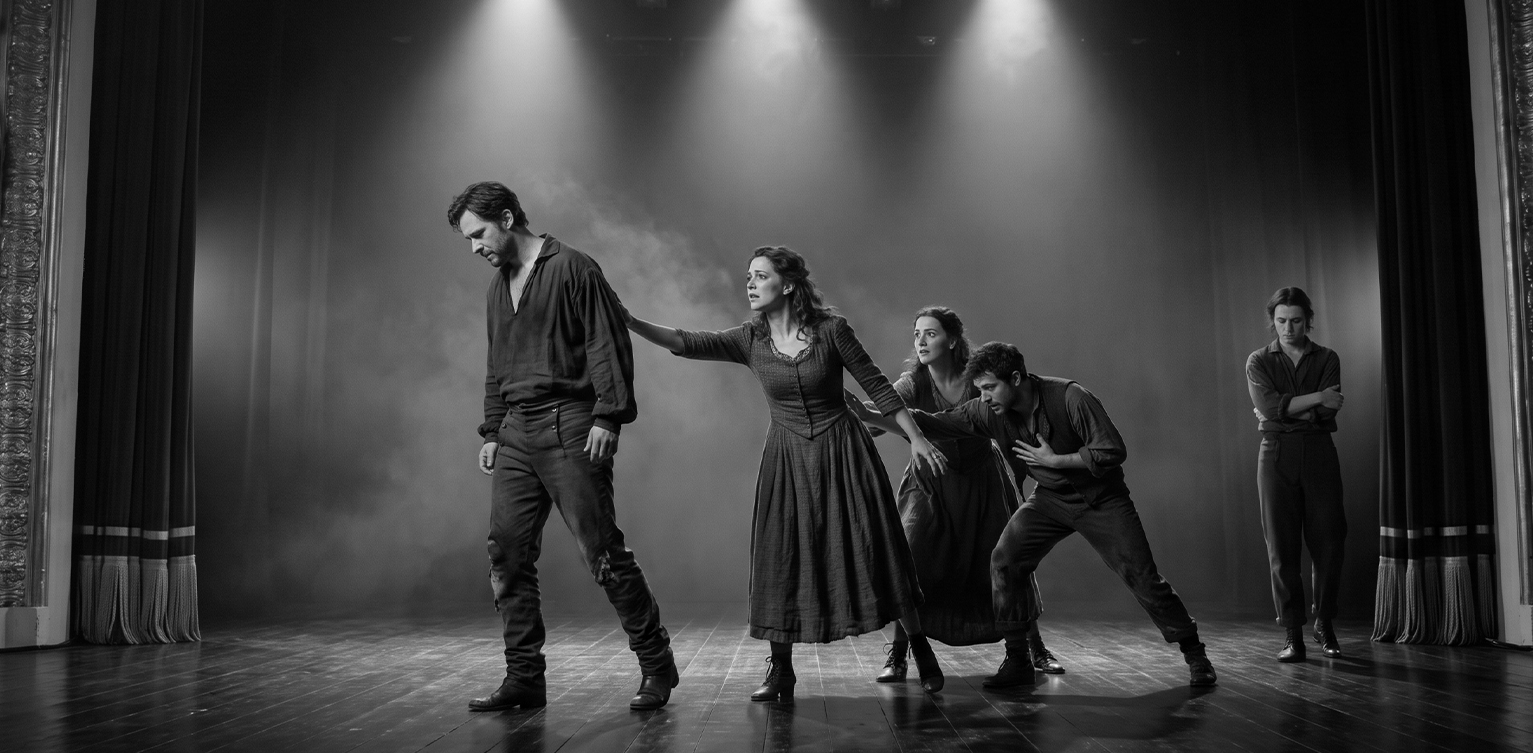
- Ensemble Building: Movement directors use warm-ups and physical exercises to develop trust, awareness, and responsiveness among performers. These practices help Brisbane-based productions create stronger connections and more cohesive group dynamics.
- Spatial Storytelling: A screen movement director works with directors and designers to shape how performers use stages, sets, and surrounding spaces. Positioning, distance, pathways, and physical interactions can strengthen atmosphere and communicate narrative ideas.
- Specialised Training: Performers may need guidance with specific physical requirements, including period etiquette, safe falling, stylised combat, or animal behaviour. A movement director helps them approach these demands safely while maintaining believable physical expression.
How Movement Direction Differs From Traditional Choreography?
Movement direction focuses on how everyday people or actors naturally move to tell a story. On the other hand, traditional choreography focuses on creating structured, stylised dance steps.
1. The Main Goal
- Movement Direction: Focuses on making physical actions feel natural while supporting the story, character, or creative concept.
- Traditional Choreography: Aims to create visually striking dance routines that highlight technique, precision, performance quality, and physical skill.
2. The Type of Movement
- Movement Direction: Uses everyday physical language, including walking, standing, gesturing, responding, or fighting, to communicate meaning.
- Traditional Choreography: Uses structured dance vocabulary from styles such as ballet, jazz, hip-hop, or contemporary dance.
3. Who It Is For
- Movement Direction: Supports actors, singers, models, and performers without extensive dance training through creative movement coaching.
- Traditional Choreography: Usually serves trained dancers who can execute complex, athletic, and technically demanding movements.
4. How Much Freedom Exists
- Movement Direction: Gives performers flexibility to make physical choices that feel authentic to their characters and circumstances.
- Traditional Choreography: Requires performers to follow specific counts, sequences, formations, shapes, and movements with greater precision.
Key takeaway: Unlike traditional choreography, movement direction does not always begin with a fixed routine or sequence. It considers how a person moves, responds to music, occupies space, expresses character, and contributes to the overall visual story. The result can feel more natural, specific, and connected to the creative concept.
Who Can Benefit From Movement Direction in Brisbane?
In Brisbane, actors, dancers, stage performers, singers, models, and theatre companies looking to enhance their physical storytelling and stage presence can benefit from creative movement direction practices for their performance projects.
A movement-led creative helps translate a script or concept into physical action. Below are those who benefit most:
1. Theatre Actors and Stage Performers
For stage performers, physical choices can reveal what dialogue leaves unsaid. Movement direction for theatre helps actors develop believable gestures, posture, reactions, and character-specific physical habits.
2. Independent Dancers and Choreographers
Independent dancers often need space to explore ideas beyond established routines. Movement-focused creative direction can sharpen musicality, intention, improvisation, and expressive choices without restricting individual movement style.
3. Screen Actors and Filmmakers
A camera captures small physical details that audiences might miss onstage. Screen actors and filmmakers can refine gestures, stillness, timing, and character behaviour with thoughtful movement direction for visual storytelling.
4. Ensemble Casts and Theatre Companies
When several performers share a stage, their physical relationship matters. Artistic movement direction can bring greater awareness to spacing, timing, energy, and collective movement across Brisbane productions.
5. Opera Singers and Musical Theatre Performers
Strong vocals carry only part of a live performance. A movement director helps singers connect breath, character, rhythm, gesture, and stage presence while performing demanding musical material.
6. Fashion Artists and Models
Fashion imagery needs more than polished poses to communicate a distinct mood. A creative performance specialist can shape posture, pacing, gestures, and presence around garments or campaign concepts.
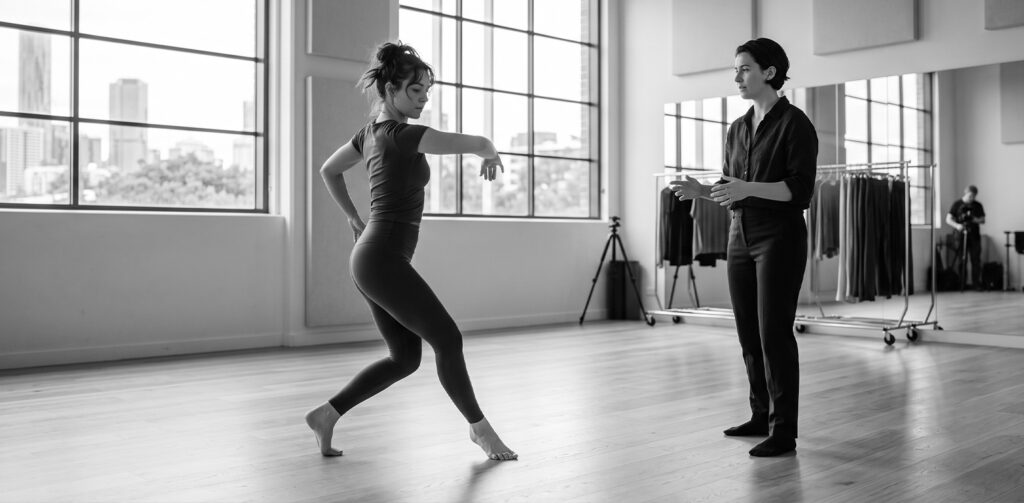
Movement Direction for Dancers and Performers
For dancers and performers in Brisbane, movement direction can change how you approach performance. Instead of simply learning sequences, you explore how intention, rhythm, emotion, and physical choices shape what audiences experience. The process gives you room to understand your movement more deeply and develop a performance style that feels authentic to you.
1. Explore Your Physical Expression
You will explore how posture, gesture, rhythm, and intention strengthen your performance. A creative movement director in Brisbane helps you make physical choices.
2. Build Movement From Character
Begin by understanding character, music, space, and emotional intention. You will experiment, receive direction, and refine choices until they feel believable overall.
3. Move Beyond Rehearsed Routines
Rather than memorising another routine, you will discover ways to respond physically with greater freedom. Movement direction sessions can strengthen musicality, confidence, presence, and expression.
4. Develop Greater Physical Awareness
Through guided exercises, you will become more aware of timing, energy, and spatial relationships. This awareness can make your performances feel connected rather than mechanical.
5. Prepare for Stage and Screen
If you are preparing for stage or screen, thoughtful movement work can reveal habits affecting performance. You will develop physical choices that support your character.
6. Adapt Skills Across Creative Projects
Your training can benefit projects beyond traditional dance settings. Movement direction helps you adapt expressive skills for music, fashion, and visual storytelling.
Movement Direction for Models and Fashion Campaigns
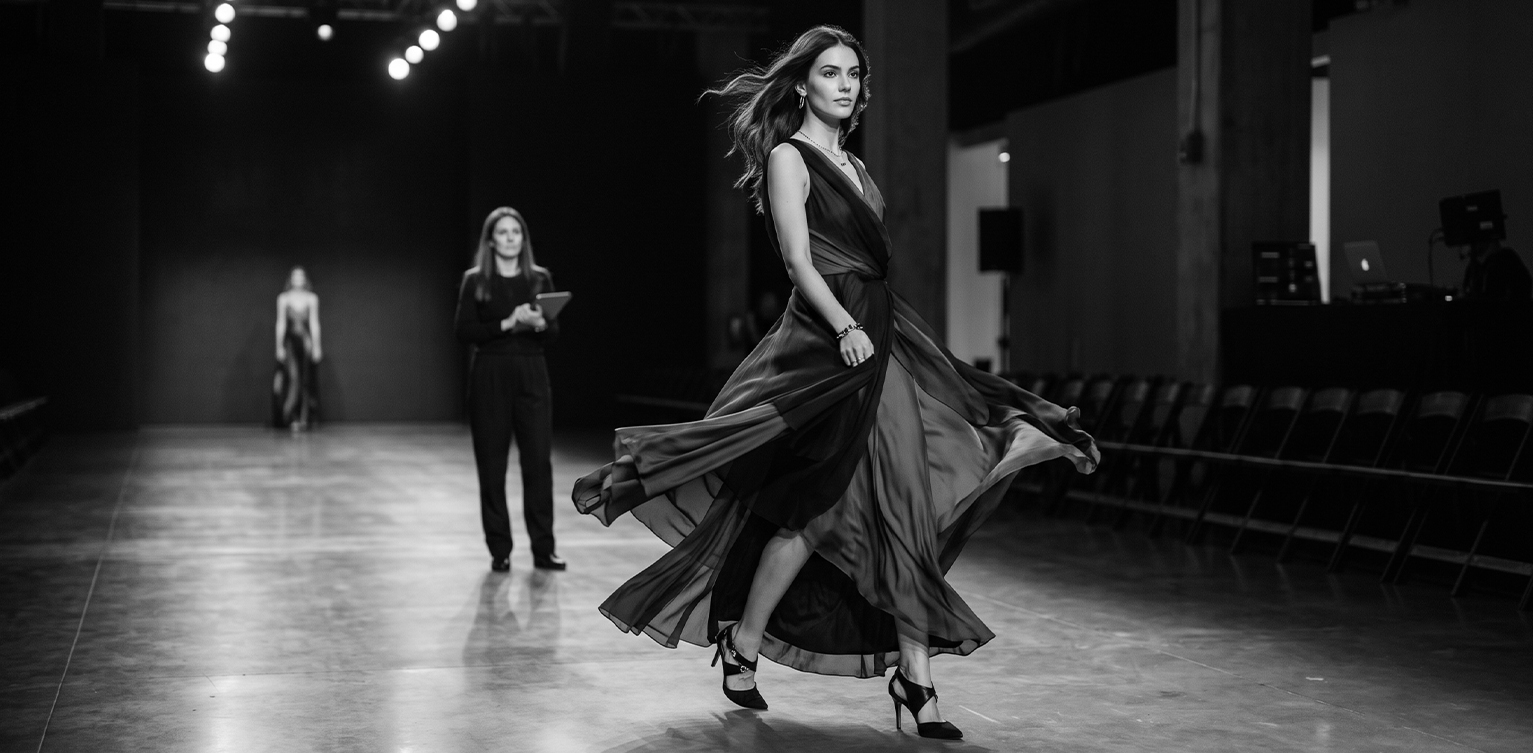
Fashion relies on movement to show how clothing behaves, feels, and exists on the body. In Brisbane campaigns, movement direction for fashion can help models express the mood behind a collection or brand:
1. Move With the Garment
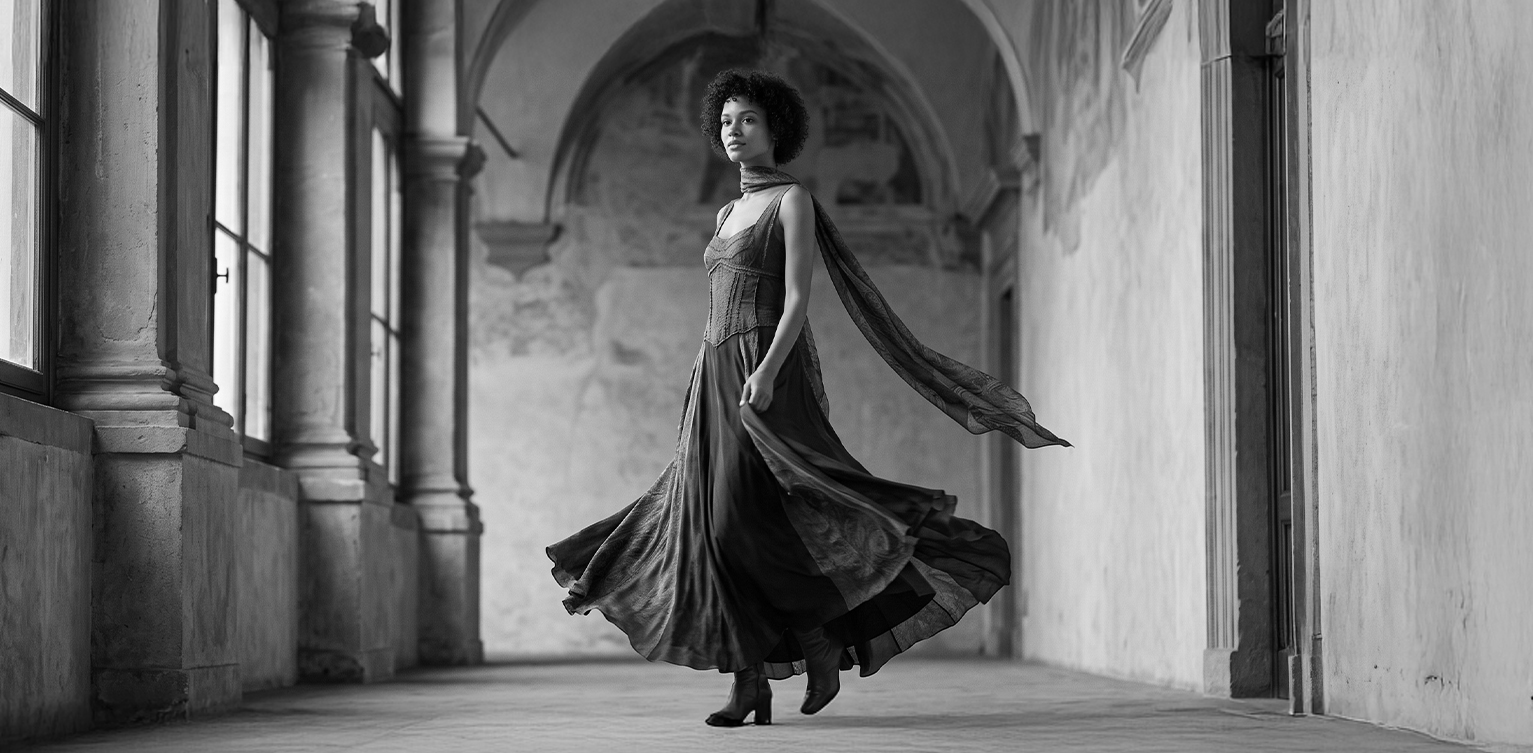
Your movement can show how fabric falls, flows, folds, or catches attention. Through movement-led coaching, small adjustments to posture can completely change the garment’s visual impact.
2. Communicate the Campaign Mood
You need more than attractive poses when a campaign carries a specific emotion. Intentional movement practice can help you express confidence, softness, energy, attitude, or restraint.
3. Work Naturally With the Camera
Standing in front of a camera can feel different from performing onstage. With movement consultation, you will find gestures and transitions that photograph naturally without appearing overly rehearsed.
4. Strengthen Your Physical Presence
Your posture and pacing influence how audiences experience both you and the clothing. Thoughtful movement can create stronger visual connections between the model, garment, and campaign concept.
Movement Direction for Film, Photography, and Visual Storytelling
For photographers and visual creatives, movement direction can also create more purposeful images. Instead of repeating poses, you can explore movement that gives the frame atmosphere, personality, and narrative direction.
1. Turn Concepts Into Physical Action
Even the best visual ideas need real, believable movement. Strong movement direction turns abstract characters, emotions, and ideas into actions audiences instantly recognise and feel.
2. Make Subtle Choices Count
On screen, a single gesture can shift the whole scene. Movement-based coaching lets you refine eyelines, posture, reactions, and timing so every subtle choice supports your character.
3. Build Movement Around the Frame
The camera transforms how movement is read in a scene. With consistent movement practice, you can shape framing, pacing, and interactions to make every moment work visually on film.
4. Create More Expressive Images
Photography is about more than classic poses. Creative movement practice helps create expressive gestures and moods, capturing images that tell a story beyond just how things look.
How Does Movement Direction Support Creative Productions?
Movement direction supports creative productions by turning human motion into a powerful storytelling tool.
Here is how movement direction helps bring creative projects to life.
- Tells the Story: The right creative movement helps actors show who they are. It reveals their feelings and deep secrets without using any spoken words.
- Creates the Mood: Fast or slow movements can entirely change the energy of a performance. They make the audience feel excited, scared, or sad during a live show.
- Builds Beautiful Pictures: Performance and movement directors use bodies to make shapes on stage. It creates stunning visual balance that catches the eye of the audience.
- Keeps Actors Safe: It plans out tricky actions like stage fights. This ensures everyone stays safe while making the action look totally real.
- Improves the Rhythm: Expressive movement practices control the speed of the performance. Maintaining the perfect timing keeps the audience hooked from the very beginning to the end.
- Connects the Cast: Collaborative group movements help film and theatre actors work as one team. This builds trust and makes the entire ensemble look connected and powerful.
Why Work With a Movement Director in Brisbane?
Working with a movement director can help you turn an interesting creative idea into physical expression that feels intentional. Brisbane’s mix of dance, theatre, music, fashion, and screen projects creates opportunities for movement to connect different creative disciplines.
1. Give Your Concept Physical Direction
You may already know how you want a project to look and feel. A movement director helps translate those ideas into physical choices that performers can understand and execute.
2. Strengthen Your Performance
Your technical ability does not always communicate the full story. Focused movement guidance can help you develop presence, intention, musicality, and physical confidence.
3. Create Stronger Creative Connections
Performance movement coaching can connect performers, costumes, music, camera work, and environments. It creates a more cohesive experience when several creative elements need to work together.
4. Access Brisbane’s Creative Perspective
Working locally means developing ideas within Brisbane’s diverse creative community. Movement direction for artistscan support collaborations across performance, fashion, music, photography, and screen projects.
Bring Your Creative Vision to Life Through Movement With Kat Wasiel
Movement can give your creative idea a physical language that audiences can see, feel, and understand. Kat Wasiel brings together dance, performance, storytelling, screen experience, and creative direction to develop movement that serves the wider concept.
Based in Meanjin, Brisbane, Kat works across dance, performance, fashion, music, and visual storytelling. Her multidisciplinary approach combines creative intuition with structured thinking, helping performers and creative teams turn ideas into expressive, practical work.
Whether you are developing a performance, preparing for camera, shaping a fashion concept, or exploring movement for creative content, Kat can help you find the physical expression your project needs.
Looking forward to exploring what movement could add to your project? Get in touch to discuss your performance, movement, or creative direction needs.
FAQs
1. Is movement direction only for dancers?
Not at all. Actors, singers, models, and other performers can also benefit from physical storytelling, confidence, and character development throughout their work.
2. Can someone with no dance experience work with a movement director?
Yes. You do not need formal dance training to benefit from movement direction. Sessions can focus on simple physical choices, awareness, confidence, posture, and expressive performance, helping you feel more comfortable during creative work.
3. What happens during a movement direction session?
Sessions usually begin by discussing your goals, character, concept, or performance needs. You then explore movement through guided exercises, experimentation, feedback, and practical adjustments. These are suited to your abilities, experience, and specific creative project requirements.
4. Can movement direction help with posing for a photoshoot?
Yes. Movement direction can help you find poses that feel natural rather than forced. You can explore posture, gestures, transitions, pacing, and physical details that photograph naturally. These choices create more expressive images with greater visual variety.
5. Can movement direction make a fashion campaign feel more dynamic?
Of course! Physical storytelling direction can give models more ways to express a campaign’s mood and identity. You can develop gestures, pacing, and transitions that make imagery feel purposeful, engaging, and visually connected throughout the campaign.
6. How do I know if my project needs movement direction?
Consider movement direction when physical expression feels unclear, repetitive, disconnected, or difficult to communicate. It can help you translate creative ideas into purposeful actions performers can deliver with greater confidence, clarity, and consistency.
7. Can movement direction help if I feel awkward in front of a camera?
Guided movement can help you understand what your body is doing while facing the camera. It helps you practice natural gestures, posture, timing, and reactions until confidence develops through repeated, supportive exploration during sessions.
8. Do actors use movement direction too?
Yes absolutely! Actors regularly use movement work to explore character and physical behaviour. Be able to develop distinctive posture, gestures, walking patterns, reactions, and spatial choices that support your role throughout production.